


























Imagine walking on a beach at sunset or along a mountain trail: the beauty of nature is often interrupted by a jarring detail, a colorful fragment that shouldn’t be there. Plastic has become the controversial symbol of our century. A revolutionary material due to its versatility and hygiene, it has turned into an environmental boomerang because of often approximate end-of-life management. But a catastrophic narrative is no longer enough: action is needed. And that action begins right inside our homes, in front of the recycling bin. Understanding how to recycle correctly is not just a civic duty; it is the first concrete step toward a circular economy that transforms waste into new raw material.
Not All Plastic is Created Equal: Learning to Read Labels
The first major obstacle to effective recycling is confusion. We often throw everything that feels like plastic into the yellow bag (or blue, depending on the municipality). Error. The golden rule is simple: we recycle packaging. Bottles, flasks, food trays, films, and bags are welcome. But what happens with those objects that, although made of plastic, are not packaging? Broken toys, basins, disposable plastic cutlery (the non-compostable kind), pens, and markers: these objects have different chemical compositions that, if included in the standard recycling circuit, can compromise the quality of the regenerated material. They should be placed in the residual waste or taken to a local recycling center.
The False Friends of Recycling: To Clean or Not to Clean?
A dilemma plagues many citizens: should containers be washed before being thrown away? The experts’ answer is pragmatic. There is no need to wash them with soap and running water (wasting another precious resource, water), but it is essential to empty them completely of food residue. An encrusted yogurt cup or a bottle with liquid still inside weighs on the selection process and can generate bad odors or mold. A quick rinse or removing residue with a used napkin is enough. Another myth to debunk concerns labels: it is not necessary to remove paper labels glued to bottles; recycling plants are equipped to separate them during industrial washing.

Technology to the Rescue
Rules can vary slightly from one municipality to another, creating disorientation. Does Tetra Pak go with paper or plastic? What about compostable bioplastics? To navigate this sea of doubts without sinking, technology offers an indispensable compass. We are talking about SmartRicicla, the application that simplifies home waste management. By consulting the app, you can verify the specific regulations of your municipality, set reminders for bin collection, and consult the waste dictionary. We invite all our readers to download SmartRicicla: it is a small digital gesture for a large real impact, drastically reducing disposal errors that cost the community millions.
📊 Summary Table: Plastic Recycling Guide
| YES (Packaging) | NO (Plastic Objects) |
| Water and soft drink bottles | Toys and plushies |
| Detergent and body wash bottles | Rigid cutlery, plates, and cups |
| Food and fruit trays | Basins and buckets |
| Shopping bags and plastic wrap | Pens, markers, and rulers |
| Fruit and vegetable nettings | CDs, DVDs, and their cases |
Flattening to Save Space (and Trips)
An often underestimated aspect is volume. Plastic bottles should be crushed, but take note: not from top to bottom like an accordion, but flattened lengthwise. This small trick facilitates optical recognition in automatic sorting machines. Reducing volume also means that collection trucks will transport more material and less air, reducing CO2 emissions related to transport. It is the perfect example of how a two-second mechanical action can have a positive repercussion on the entire logistics chain.
Towards a Circular Future
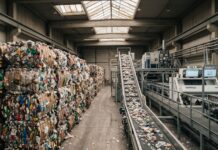
Correctly sorting plastic allows us to give life to new objects: from the fleece that warms us in winter to car components and new packaging, closing the loop. The goal is not just to recycle, but to rethink our consumption. However, as long as plastic is part of our lives, managing it with intelligence and responsibility is the most powerful weapon we have to protect our ecosystems. Every correctly sorted bottle is a victory against pollution.
💡 Lifestyle Impact: What Can We Do?
Recycling is essential, but the waste hierarchy reminds us that the primary action is Reduction.
- Use a water bottle: Avoid purchasing hundreds of disposable bottles per year.
- Choose returnable glass: Where possible, prefer glass with a return system.
- Buy in bulk: Reduce packaging at the source by buying products on tap.