















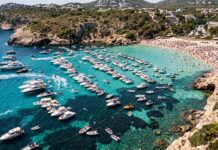





Millions of cooler bags are currently being packed across the country, ready to be loaded into trunks for the traditional mid-August exodus. The upcoming Ferragosto holiday mobilizes an estimated ten million people heading toward coasts, mountains, and lakes for a day of outdoor dining and relaxation. This massive shift in population brings an equally massive logistical and environmental footprint, transforming natural reserves and shorelines into temporary megacities. Behind the tradition of the August getaway lies an intense stress test for local ecosystems and waste management systems, particularly in small tourist municipalities that see their population triple overnight.
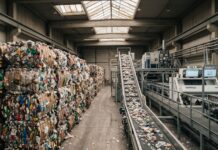
The most visible impact of this impending mass migration will fall on the coastlines. According to historical monitoring data from environmental groups like Legambiente, an average of four hundred pieces of trash litters every hundred meters of Italian beaches, a number that spikes dramatically in the days immediately following Ferragosto. Single-use plastics, discarded cigarette butts, and abandoned beach toys constitute the bulk of this debris. As the holiday approaches, local administrations are preparing extra disposal bins and scheduling additional shifts for sanitation workers, yet the volume of waste generated in a single twenty-four-hour period regularly overwhelms public infrastructure.
Preparing a zero-waste picnic requires a shift in packing strategies rather than a complete overhaul of tradition. The standard approach of buying multipacks of disposable plates and cutlery adds directly to the landfill burden. Replacing these with reusable hard plastics, stainless steel, or bamboo alternatives eliminates the primary source of holiday waste. Food can be stored in durable containers instead of being wrapped in layers of aluminum foil and cling film. Beverage management also plays a crucial role; opting for large thermoses of chilled water or iced tea avoids the accumulation of dozens of crushed plastic bottles that often end up blowing into the sea.
The traditional Ferragosto barbecue presents another significant environmental variable. The sudden spike in meat consumption over this specific weekend creates a localized surge in carbon emissions, heavily tied to the industrial production and transportation of beef and pork. Diversifying the grill menu to include more plant-based options, locally sourced vegetables, and sustainable fish lowers the carbon footprint and reduces the risk of rapid food spoilage. Meat left in insufficiently cooled bags under the August sun represents one of the highest categories of food waste during summer holidays, squandering both the resources used to produce it and the money spent to buy it.
Proper cold chain management prevents foodborne illnesses and drastically cuts down on what gets thrown away. Ice packs need to be distributed evenly throughout the cooler, with highly perishable items stored at the bottom where temperatures remain lowest. Opening the cooler repeatedly lets in warm air, accelerating ice melt. Separating drinks, which are accessed frequently, from raw ingredients meant for the grill ensures that the food remains at a safe temperature longer. When the day ends, whatever has not been cooked or kept safely chilled must often be discarded, contributing to the millions of tons of food waste recorded globally each year by the Food and Agriculture Organization.
This year, the holiday arrives on the heels of a prolonged heatwave that has already dried out vegetation across much of southern Europe. The risk of wildfires is critically high. Civil Protection authorities are issuing strict warnings regarding the lighting of fires in unauthorized areas. A stray spark from a beach bonfire or a makeshift forest barbecue can ignite dry underbrush in seconds, aided by the warm coastal winds typical of mid-August. National parks and regional reserves have established designated grilling zones with stone perimeters and nearby water sources, strictly prohibiting open flames outside these monitored areas.
Traffic congestion is another guaranteed feature of the upcoming weekend. The dreaded red and black alert days for highway traffic translate into millions of vehicles idling in the heat, emitting tons of carbon dioxide and particulate matter into the atmosphere. The mass departure heavily affects air quality in valley routes and coastal roads. Carpooling, adjusting departure times to avoid peak hours, or choosing destinations accessible by regional train networks offer concrete ways to alleviate this gridlock. Regional railway operators have introduced special holiday tariffs and increased capacity for bicycles, encouraging a shift away from private car usage for short-distance trips.

Sunscreen pollution remains a hidden but devastating consequence of the mass plunge into the sea. Standard sun lotions contain chemical filters like oxybenzone and octinoxate, which wash off skin and accumulate in coastal waters. These compounds disrupt the reproductive cycles of marine life and contribute to the bleaching of fragile coral ecosystems and the deterioration of Posidonia oceanica meadows. Mineral-based sunscreens utilizing non-nano zinc oxide or titanium dioxide provide effective ultraviolet protection without leaving a toxic chemical slick on the water surface. Reading the ingredient list before packing the beach bag prevents these invisible pollutants from entering the marine food chain.
Water consumption spikes dramatically during the central weeks of August. Rinsing off salt and sand at beach showers, running the washing machine for towels, and the increased use of air conditioning units all put immense pressure on local reservoirs. Many coastal regions are already operating under drought restrictions. Minimizing shower times, turning off the tap while soaping, and avoiding the superficial washing of cars before the trip are immediate actions that help maintain municipal water pressure for essential services. The contrast between a leisurely beach shower and a dry household tap nearby is a stark reality in many Mediterranean towns.
Noise pollution disrupts local wildlife just as much as physical waste. The trend of bringing portable, high-wattage Bluetooth speakers to natural reserves or public beaches creates acoustic stress for nesting birds and marine animals. Sound travels faster and further over water, meaning a shoreline party can disturb ecosystems miles away. Municipalities have recently passed ordinances banning amplified music on public beaches to preserve the natural soundscape and respect the resting periods of local fauna. Choosing to enjoy the ambient sounds of the environment over personal playlists requires zero effort but yields significant ecological benefits.
The economic burden of cleaning up after the Ferragosto celebrations falls entirely on local taxpayers. When garbage is left beside overflowing bins rather than taken home, municipal workers must manually collect it, often requiring heavy machinery to clean the sand. This intensive sanitation process consumes public funds that could otherwise be invested in permanent environmental protection measures or urban improvements. Tourists who pack out their own trash, carrying their waste back to their primary residence where sorting facilities are better equipped, actively reduce the financial strain on small host communities.
Navigating the complex rules of waste sorting while traveling often leads to cross-contamination in public recycling bins. A greasy pizza box or a dirty plastic plate thrown into the wrong container can ruin an entire batch of recyclable material, forcing the waste management facility to send it to an incinerator or landfill. Taking a few moments to wipe down plastics and separating paper from food residue ensures that the recycling loop remains unbroken. Applications provided by local waste consortiums can be downloaded before the trip, offering geolocation-based instructions on how to properly dispose of specific items in different municipalities.
Fireworks displays are a staple of the mid-August night, illuminating the coastlines from north to south. While visually striking, these pyrotechnics release a heavy cocktail of heavy metals, fine particulate matter, and sulfur compounds into the air and water. The fallout from these explosions settles on the sea surface, introducing toxins like barium and strontium into the marine environment. Additionally, the sudden percussive noise triggers panic in domestic pets and wild animals alike, causing disorientation and flight responses that often lead to injury. Forward-thinking municipalities are substituting traditional fireworks with synchronized drone shows, eliminating chemical pollution and acoustic trauma while maintaining the nighttime spectacle.
The logistics of returning home present the final environmental hurdle of the weekend. Millions of engines firing up simultaneously on Sunday evening create a massive spike in localized emissions along the main arterial roads leading back to the cities. Packing up requires a meticulous sweep of the picnic or beach area, ensuring no micro-trash like bottle caps, twist ties, or fruit pits is left buried in the sand or dirt. Organic waste, though biodegradable, disrupts local foraging habits of wild animals and attracts pests to areas heavily trafficked by humans, meaning even apple cores and melon rinds must be packed out.
As the sun sets on the impending holiday, the physical evidence of how millions of people choose to spend their upcoming day off will be left on the ground. The transition from a consumer-heavy celebration to a low-impact day of rest requires individual shifts in behavior, away from the convenience of disposability toward a mindset of preservation. The true measure of the weekend will be fully visible on the morning of August 16th, waiting on the sand and in the woods for the first shift of municipal cleaners to deal with the aftermath.