















The May 1st long weekend in 2026 represents a landmark moment for the Italian tourism sector, marking the definitive transition from the concept of sustainable tourism to the much deeper and more impactful one of regenerative tourism. In an era where environmental awareness has reached full maturity, it is no longer enough to simply minimize the carbon footprint of one’s presence in a territory. The goal of the modern conscious traveler is to act actively so that their passage leaves the places visited in better condition than they found them, contributing to the restoration of ecosystems and the support of the most fragile local economies. In this scenario, the geography of the Italian “highlands” assumes a central and almost sacred role, thanks also to the full implementation of Law 131/2025, which redefined the classification criteria for the 3,715 mountain municipalities of the Peninsula. This new regulatory framework is not merely a bureaucratic act; it represents a true ethical compass for the conscious tourist, offering the tools to discover villages where the recovery of vacant properties and the enhancement of forest heritage follow certified sustainability protocols, far from the logic of mass consumption and overtourism.
Walking along the historical paths of the Peninsula, from the legendary Via Francigena to the majestic Sentiero Italia, today means crossing open-air laboratories of circular economy. Every step taken along these routes is not just physical exercise or an aesthetic search, but a direct contribution to the resilience of local communities and the conservation of a biodiversity that has no equal on the European continent. Spring, with its explosion of colors and scents, invites a rediscovery of the senses that must, however, be accompanied by absolute behavioral rigor. In the context of a day trip or a multi-day trek, the management of waste produced during outdoor meals becomes the first and most immediate test of environmental citizenship. Too often, in the silence of ancient woods or on the shores of a crystalline alpine lake, one can fall into the gross error of thinking that a natural residue—such as a banana peel, an apple core, or an eggshell—can be abandoned with impunity in the undergrowth because it is considered “biodegradable.” This is, in fact, one of the most dangerous and underestimated pitfalls for fragile ecosystems: degradation times at high altitudes or in forest environments are extremely long due to different temperatures and microbial populations, and the introduction of alien food waste drastically alters the diet of wildlife, creating dangerous habits of dependence on humans and putting the health of animals at risk.
Every single food scrap, without exception, must therefore be collected with meticulous care, placed in airtight containers so as not to attract predators, and transported to the nearest suitable disposal point to be disposed of exclusively in the ORGANIC bin. This practice ensures that the waste can be transformed into high-quality compost or biomethane, closing the cycle of matter without damaging the forest soil. Similarly, the conviviality typical of May 1st outings, often accompanied by canned drinks, tinned goods, or preserves for the picnic, generates a flow of materials that the Italian recycling industry—a world leader in the sector—eagerly awaits to transform into new resources. Aluminum cans, crown caps, food trays, and clean metal foils must be classified and expelled from the backpack load directly into the METALSfraction. It is essential that these are never abandoned or, worse still, thrown into improvised campfires, where incomplete combustion would release toxic substances into the ground and air. Only through separate, rigorous, and conscious management is it possible to feed that urban mineral deposit that allows Italy to save energy and virgin raw materials, while simultaneously protecting that landscape integrity which represents the true engine of our tourism industry.
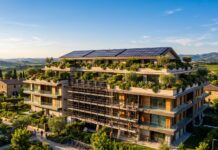
The technology of 2026 plays a fundamental role in this evolution of travel toward full awareness. The SmartRicicla app, a permanent fixture in our “Where do I throw it” section, becomes the indispensable ally of the slow tourist who has made “Leave No Trace” their mantra. Thanks to advanced geolocation and a constantly updated database, the app allows users to identify recycling centers, specialized collection points, and sorting areas even in very small mountain villages or near remote natural reserves, where collection calendars and disposal methods might differ significantly from the habits of large metropolises. Knowing exactly where to dispose of METALS or how to safely manage small technological waste (WEEE) that might break during an excursion—such as headlamps, exhausted batteries, or damaged power banks—is an act of deep and non-negotiable respect toward the land that hosts us. Regenerative tourism also involves the careful and militant choice of accommodation facilities: preferring “alberghi diffusi” (scattered hotels) that have given new life to old stables or abandoned houses using green building techniques, local materials, and certified biomass heating systems means rewarding heroic entrepreneurship that protects the territory instead of exploiting it.

This indissoluble link between quality hospitality and environmental protection creates a virtuous circle that actively counters the depopulation of inland areas, promoting a new economy based on local “rootedness” and social regeneration. During this long spring weekend, the traveler’s attention must also turn to the micro-choices of daily life that, when summed up, shift climatic balances: using stainless steel or aluminum water bottles to definitively eradicate single-use plastic bottles, preferring local and seasonal food products that drastically reduce pollution linked to heavy logistics, and using solid and biodegradable soaps and detergents for outdoor personal hygiene. Italy’s coastal and mountain biodiversity is a fragile heritage that requires constant monitoring and almost devotional attention. Participating in a guided excursion led by certified professionals, such as Environmental Hiking Guides (AIGAE), not only enriches the cultural and scientific experience of the journey but ensures that passage on the trails occurs in full respect of bird nesting periods and the delicate flowering phases of protected or endemic botanical species.
The “One Health” concept—which recognizes a single health link between humans, animals, and the environment—finds its highest and most noble expression in the slow tourism of 2026. Walking in nature regenerates the body through movement and the mind through silence, but this psychophysical benefit is only possible if the environment surrounding us is preserved by our own care and not degraded by uncivilized or superficial behavior. In conclusion, the spring escape for May 1st must not and cannot be a simple passive consumption of a “postcard” landscape, but a precious opportunity to actively practice sustainability as a lifestyle. Correctly separating every single piece of waste produced, distinguishing with precision between ORGANIC and METALS, using digital tools like SmartRicicla to navigate different local realities, and choosing itineraries that enhance minor historical-natural heritage are the coordinates of the citizen of the future. SmartGreen Post will continue to carefully monitor the impact of tourist flows on the Peninsula’s protected areas, providing increasingly detailed guides and updated scientific data so that every holiday becomes a manifest act of love for the planet. The beauty of Italy is a precious and vulnerable resource that asks to be lived with extreme slowness, awareness, and a deep sense of gratitude toward the earth we step upon.