




















Morning awakenings are almost always accompanied by automatic gestures and well-established rituals that help us start the day with the right energy and serenity. Making breakfast is one of these sacred moments, and it almost invariably involves opening a container we all know very well: the classic carton of milk, plant-based beverage, or fruit juice. We pour the contents into our cups or glasses, put the package back in the fridge or pantry, and carry on with our routine.
But inevitably, the moment comes when that container is empty. It is exactly at that precise instant, standing with the empty carton in hand in front of the household recycling bins, that one of the most common and debated ecological dramas of Italian families unfolds. Where do I throw it? The question arises spontaneously, and confusion reigns supreme, turning a simple daily gesture into a small environmental puzzle.
To fully understand the origin of this confusion, we must take a step back and analyze the very nature of this extraordinary packaging. What we hold in our hands is not a simple piece of cardboard, even if it might look and feel like one. It is actually a poly-coated material, a true masterpiece of materials engineering and industrial design.
Invented in the middle of the last century, this type of packaging revolutionized the global food industry, allowing perishable liquids to be stored safely for long periods without the need for continuous refrigeration or artificial preservatives. It is an incredible technological achievement that improved logistics and food safety, but it brings considerable complexity when managing the product’s end-of-life.
Diving into its composition, we discover that a typical beverage carton is made of three distinct materials, fused together in microscopic layers:
- Paper (74%): Pure, high-quality cellulose acts as the carton’s skeleton, providing rigidity, structural stability, and an ideal surface for printing graphics, nutritional information, and brand logos. Without this solid cellulose base, the container would simply collapse on itself under the weight of the liquid. The long and resistant fibers used are highly sought after in the secondary recycling market.
- Polyethylene (22%): This plastic is applied on the outside to protect the carton from external moisture and fridge condensation, and on the inside to act as a perfect sealant. It ensures the liquid doesn’t penetrate the paper fibers and keeps the package watertight.
- Aluminum (4%): A microscopic but crucial layer that serves as the ultimate protective shield. Invisible from the outside, it completely blocks light, oxygen, and external odors, preventing oxidation and preserving the flavor and nutritional values of the milk or juice for months.
It is precisely this brilliant overlapping of materials, strongly glued together, that makes recycling poly-coated cartons a fascinating technological challenge—and simultaneously, the primary cause of our confusion at the bins. Since we cannot manually separate the paper from the plastic and aluminum at home, we must rely on highly specialized industrial plants.
Here emerges the great geographic dilemma of waste sorting in Italy: disposal rules are not universal. They vary based on the agreements individual municipalities or waste management companies have stipulated with recycling consortiums, as well as the technological capabilities of local sorting facilities.
- The Paper Bin: In the vast majority of Italian municipalities, guidelines direct you to throw beverage cartons into the paper and cardboard bin. Since the main component is cellulose, garbage trucks transport this material to specialized partner paper mills. Here, the containers are immersed in a giant machine called a pulper, which acts like a massive blender full of water. Through mechanical action and water—without aggressive chemicals—the paper fibers gently separate from the plastic and aluminum layers, creating a cellulose pulp ready to become high-quality new paper.
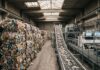
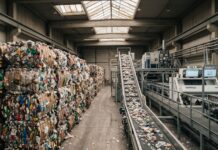
- The Plastic / Multi-material Bin: In a similarly significant number of municipalities, the rule changes radically: citizens are asked to throw cartons into the plastic container, or the light multi-material bin, alongside cans and bottles. In this scenario, waste is sent to sorting centers (CSS), where advanced optical infrared readers recognize the shape and material of the carton on the conveyor belt. Powerful bursts of compressed air literally shoot the cartons onto a dedicated line, separating them from the rest of the plastic, before sending them to the same specialized paper mills for recovery.
The final result is the same, but the logistical path and the starting bin change completely depending on your residence.
The most dramatic mistake you can make in this value chain, often dictated by frustration or simple inattention, is throwing the carton into the residual dry waste (undifferentiated) bin. Doing so means condemning precious, high-quality raw materials—which required energy and water to produce—to destruction in an incinerator or slow, useless burial in a landfill. It is a true environmental and economic waste that irreparably breaks the virtuous circle of the circular economy, nullifying the technological efforts made by the recycling industry.
To be ecologically flawless citizens, finding the right bin isn’t enough; it is essential to prepare the waste properly.
- Empty it completely: A step that seems obvious but is often overlooked. A carton containing leftover milk or sugary fruit juice is a serious problem for storage and sorting plants. Organic liquids tend to rot quickly, generating foul odors, attracting insects, and most importantly, contaminating other clean recyclable materials (like paper) in the bin, thereby ruining the sorting efforts of an entire apartment building.
- Rinse it quickly: Even if not strictly mandatory under all municipal regulations, this is highly recommended. You don’t need to waste a lot of clean water: just use a splash of leftover dishwater or residual water in the sink, shake vigorously, and empty it. This simple hygienic precaution prevents mold and bad smells in your home bin, especially during torrid summer months, and significantly improves the quality of the material entering the recycling plants.
- Flatten the container: An absolutely essential step. Squashing the carton takes literally two seconds but has a monumental impact on waste management logistics. An unflattened carton is mostly empty air. If everyone threw away inflated containers, bins would fill up in a flash, and garbage trucks would drive around mostly transporting air. By flattening the carton (preferably lifting the side flaps and pressing down completely), you reduce its volume by over a third. This means fewer trucks on our streets, less traffic, a drastic reduction in carbon dioxide emissions, and notable economic savings for local administrations.
Another major question mark that plagues consumers concerns the handling of the plastic cap and the ring beneath it. Until recently, general indications suggested unscrewing the cap, removing it, and throwing it in the plastic bin, separate from the cardboard body.
Today, the rules of the game are changing, and technology is lending a hand. Thanks to the new European directive on single-use plastics (the SUP directive), we are witnessing the mandatory introduction of tethered caps—those that remain attached to the package even after opening, designed to prevent plastic leakage into the environment and seas.
Consequently, the current golden rule, supported by the guidelines of recycling consortiums, is to leave the cap firmly attached to the flattened carton, regardless of whether the carton goes into the paper or plastic bin. As we saw earlier, when the container reaches the paper mill’s pulper, the mechanical action separates the cellulose fibers from the synthetic parts. In this phase, the caps and plastic fragments—being lighter—tend to float or are easily filtered out by special sieves, separating from the paper pulp entirely automatically and efficiently, before being sent for plastic recovery. There is no longer any need for us to go through the hassle of manual separation, risking the environmental dispersal of small caps in the process.

Once the separation cycle in the pulper is complete, the true magic of the circular economy begins.
The cellulose fibers, now pure and cleansed, are dried and pressed to become new paper. Since these are premium, long, and resistant fibers, they are not used for low-quality newspapers but find new life in high-value everyday products. They become kitchen paper towels, tissues, toilet paper, document folders, and refined stationery items, proving how well-managed waste can quickly return to our homes in a completely new and useful form.
But what happens to the 26% composed of plastic and aluminum left at the bottom of the pulper? A few decades ago, this scrap material unfortunately ended up mostly in landfills. Today, technological innovation allows us to valorize even this complex fraction.
The mix of polyethylene and aluminum is recovered, washed, extruded at high temperatures, and transformed into a new, incredibly strong composite plastic material, often known by commercial names like EcoAllene or polyaluminum. This new granular material is highly sought after by the manufacturing industry.
Through injection molding, this recovered material is used to create an infinity of objects that populate our daily lives and cities. It is used to produce robust pallets for industrial logistics, urban furniture like weather-resistant benches and bins, gardening pots, fruit crates, public bathroom soap dispensers, and even design objects, ecological pens, building materials, and insulating panels. The entire beverage carton, from cap to base, is thus 100% recycled without generating any residual waste, embodying the perfect model of industrial sustainability and resource regeneration.
At this point, it is evident how crucial our role is in the very first link of this chain: correct household disposal. However, the awareness of this gesture’s importance often clashes with the harsh reality of a fragmented system.
As highlighted, every municipality dictates its own rules, and our lives are increasingly mobile and dynamic. We travel for work, go on vacation to the sea or the mountains, spend weekends out of town, or simply move to a neighboring municipality just five kilometers away. Suddenly, the rules change, the bin colors reverse, and we find ourselves paralyzed by doubt once again, standing with a flattened carton in hand, afraid of making a mistake and polluting a perfectly good batch of recyclables.
In this landscape of daily uncertainty, digital technology proves to be our most precious ally. In an era where we use our smartphones to navigate traffic, book trips, and manage our finances, ecological intelligence is fortunately just a tap away. A formidable solution stands out: the SmartRicicla app.
This application was designed exactly to break down the barriers of regulatory confusion and restore serenity and precision to our environmental habits. While waste sorting rules do change, with tools like this, it is no longer an insurmountable problem for a willing citizen. The operation is disarmingly simple, but the impact is extraordinary. Whether you are on vacation, on a business trip, or in your hometown, smart geolocation allows you to simply search for or confirm your current municipality. In a fraction of a second, you instantly have access to detailed disposal rules, door-to-door calendars updated in real-time, exact bin colors, and a waste dictionary to look up specific cases and ambiguous materials.
This is the true definition of zero-cost ecological intelligence: a tool that transforms good intentions into perfect actions, eliminating any alibi for laziness and any margin of error dictated by territorial misinformation.
Choosing to sort correctly, staying informed, and using the digital tools at our disposal to never make a mistake is not just a civic duty. It is an act of respect toward the planet we inhabit and the future generations who will inherit the consequences of our consumption choices. Every time we empty, rinse, flatten, and throw a simple milk carton into the correct bin, we are metaphorically starting the engines of a green, sustainable industry. We are proving through our actions that useless waste does not exist—only resources patiently waiting to embark on their next wonderful journey through the infinite possibilities of the circular economy.