










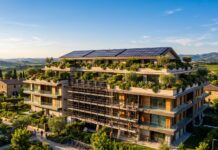












Every year, the global community pauses to observe World Rural Development Day, a pivotal occasion instituted by the United Nations to underscore the indispensable role that rural areas play in the survival and prosperity of our planet. Far from being mere geographic expanses outside of our bustling metropolises, rural regions are the vibrant, beating heart of our global food systems, the primary stewards of our natural resources, and the frontline defenders of the Earth’s biodiversity. This day serves as a powerful reminder that sustainable development cannot be achieved without a profound, systemic investment in the communities that cultivate our food, manage our landscapes, and protect our ecosystems. In an era defined by rapid urbanization and unprecedented environmental challenges, shifting our focus back to the countryside is not a matter of nostalgia, but a vital strategic imperative for our collective future. The United Nations recognizes that the vitality of these regions is inextricably linked to the successful realization of the Sustainable Development Goals, particularly those concerning poverty eradication, zero hunger, climate action, and the promotion of decent work and economic growth.
To truly grasp the significance of World Rural Development Day, one must first confront the staggering demographic and economic realities that define the rural experience today. Despite the dominant narrative of an increasingly urbanized world, nearly half of the global population still resides in rural areas. These billions of individuals are responsible for producing up to eighty percent of the world’s food supply, often relying on smallholder farming methods that have been passed down through generations. However, these communities frequently face systemic disadvantages, including a lack of access to fundamental services such as healthcare, quality education, modern infrastructure, and reliable digital connectivity. This urban-rural divide has historically marginalized rural populations, making them disproportionately vulnerable to economic shocks and environmental degradation. Yet, the narrative is rapidly changing. Today, we are witnessing a paradigm shift where rural areas are increasingly viewed not as peripheral zones left behind by progress, but as dynamic hubs of green innovation and sustainable transformation. By empowering these communities with the right tools, knowledge, and resources, we can unlock their immense potential to drive a global transition toward sustainability.
At the core of this transformation is the urgent need for climate resilience and environmental stewardship. Rural communities are often the first to bear the brunt of climate change, experiencing the devastating impacts of prolonged droughts, erratic rainfall patterns, extreme weather events, and soil degradation firsthand. Because their livelihoods are so intimately connected to the rhythms of nature, the changing climate poses a direct existential threat. However, this inherent connection to the land also positions rural populations as the most capable architects of climate mitigation and adaptation strategies. Through the adoption of regenerative agriculture, agroforestry, and sustainable land management practices, these communities are actively working to restore degraded ecosystems, enhance soil fertility, and sequester significant amounts of carbon dioxide from the atmosphere. By moving away from intensive, chemically dependent farming methods and embracing agroecological principles, rural farmers are proving that it is entirely possible to produce abundant, nutritious food while simultaneously healing the planet and reversing the catastrophic loss of biodiversity.
Biodiversity conservation is another critical arena where rural development intersects with global sustainability goals. The world’s remaining pristine forests, wetlands, and natural habitats are overwhelmingly located in rural and remote regions. The people who inhabit these areas, particularly indigenous communities, possess a wealth of traditional ecological knowledge that is invaluable for the preservation of these ecosystems. World Rural Development Day highlights the necessity of integrating this ancient wisdom with modern scientific advancements to create holistic conservation models. When rural communities are granted secure land tenure and are actively involved in the management of natural resources, the outcomes for biodiversity are markedly improved. These communities understand that the health of the surrounding ecosystem is synonymous with their own well-being. By fostering economic opportunities that rely on intact natural environments, such as eco-tourism, sustainable harvesting of non-timber forest products, and payment for ecosystem services, we can create a powerful incentive structure that aligns human prosperity with ecological preservation.

The concept of the circular economy is rapidly gaining traction as a transformative framework for rural development. For too long, the agricultural sector has operated on a linear model of ‘take, make, and dispose’, leading to immense resource depletion and environmental pollution. The circular economy, by contrast, seeks to design out waste, keep materials in use, and regenerate natural systems. In rural contexts, this translates into highly efficient, closed-loop systems where nothing is wasted. Agricultural residues and animal manure, once considered problematic byproducts, are now being repurposed as valuable organic fertilizers or converted into biogas to generate clean, renewable energy for local consumption. Water is carefully conserved, harvested, and recycled to maximize its utility in drought-prone areas. Furthermore, the circular economy encourages the localization of food systems, reducing the carbon footprint associated with long-distance transportation and creating stronger, more resilient local economies. By embracing circularity, rural areas can significantly reduce their environmental impact while simultaneously creating new green jobs and diversifying their income streams.
Technological innovation is playing an increasingly crucial role in accelerating sustainable rural development, a phenomenon often referred to as AgriTech. The integration of digital technologies into farming and rural resource management is revolutionizing how these communities operate. Precision agriculture, facilitated by drones, satellite imagery, and Internet of Things sensors, allows farmers to monitor crop health, soil moisture levels, and nutrient requirements with unprecedented accuracy. This targeted approach dramatically reduces the need for synthetic inputs, thereby minimizing chemical runoff into local waterways and lowering greenhouse gas emissions. Moreover, digital platforms and mobile applications are bridging the information gap, providing smallholder farmers with real-time weather forecasts, market prices, and best agricultural practices. Access to broadband internet is also transforming rural education and healthcare, making telemedicine and distance learning accessible to remote populations. By bridging the digital divide, we can ensure that rural communities are fully integrated into the modern green economy and are equipped to navigate the complexities of the twenty-first century.
A critical, yet often overlooked, component of sustainable rural development is the empowerment of women and youth. In many developing regions, women constitute the majority of the agricultural labor force, yet they frequently lack equal access to land ownership, credit, training, and decision-making power. Closing this gender gap is one of the most effective strategies for enhancing agricultural productivity, improving household nutrition, and fostering sustainable community development. When women are empowered with resources and education, they tend to invest heavily in the health and education of their children, creating a positive ripple effect that benefits entire generations. Similarly, engaging the youth is vital for the future of rural areas. The global trend of rural-to-urban migration is largely driven by young people seeking better economic opportunities in cities, leading to an aging farming population and the gradual depopulation of the countryside. To reverse this trend, we must make rural areas attractive places to live and work by creating vibrant green jobs, fostering rural entrepreneurship, and providing robust educational and social infrastructure. Cultivating a new generation of ‘agripreneurs’ who are passionate about sustainability and technology is essential for the long-term vitality of these regions.
Achieving the ambitious vision celebrated on World Rural Development Day requires a comprehensive, multi-sectoral approach and a strong commitment from the global community. Governments must prioritize rural development in their national policy agendas, ensuring equitable investment in infrastructure, education, and healthcare. Financial institutions need to develop innovative funding mechanisms, such as microcredit schemes and green bonds, to provide smallholder farmers and rural enterprises with the capital they need to transition toward sustainable practices. The private sector also has a vital role to play by building inclusive, transparent, and fair supply chains that guarantee a living wage for rural producers. Furthermore, international cooperation and the sharing of best practices are crucial for accelerating progress. By learning from successful models of community-supported agriculture, cooperative farming, and rural eco-villages around the world, we can adapt and scale these solutions to fit diverse geographical and cultural contexts. The transition to sustainable rural development is not merely a technical challenge; it is fundamentally a matter of social justice, equity, and human dignity.
Ultimately, the story of World Rural Development Day is a story of profound optimism and boundless potential. It is a celebration of the resilience, ingenuity, and enduring spirit of the communities that nourish our world. As we look toward the future, it is abundantly clear that the health of our cities and the stability of our global climate are entirely dependent on the prosperity and ecological integrity of our rural landscapes. We cannot achieve a sustainable, circular, and green economy without putting rural communities at the very center of our efforts. By recognizing the invaluable contributions of these regions, investing in their sustainable development, and fostering a deep, symbiotic relationship between the urban and the rural, we can build a world where both people and nature thrive in harmony. Today, let us honor the guardians of our land, celebrate the vibrant heritage of the countryside, and commit ourselves wholeheartedly to empowering the heartland for a brighter, greener tomorrow.