













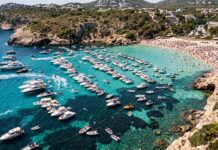





The Mediterranean Sea is far more than just a vast body of water separating continents; it is the undisputed cradle of ancient civilizations, an intricate, woven tapestry of cultures, and a vital lifeline for millions of people across three highly diverse continents. Stretching from the narrow Strait of Gibraltar to the historically rich shores of the Middle East, this magnificent sea has historically been the epicenter of global trade, philosophical thought, and artistic exchange. However, beyond its profound historical and cultural significance, the Mare Nostrum, as the ancient Romans fondly called it, represents one of the most critical and complex ecological systems on our planet. The International Day of the Mediterranean Sea serves as a poignant, annual reminder of our collective responsibility to protect this irreplaceable natural heritage. This observance is not merely a celebration of the sea’s breathtaking beauty and serene landscapes, but a clarion call to decisive action against the mounting environmental pressures that threaten its inherently fragile balance. It is a day explicitly dedicated to raising global awareness about the urgent need to safeguard marine biodiversity, aggressively combat the escalating crises of pollution, and mitigate the severe impacts of climate change that are disproportionately affecting this specific marine basin.
Despite covering less than one percent of the global ocean surface, the Mediterranean Sea is remarkably recognized by scientists and conservationists worldwide as one of the planet’s leading biodiversity hotspots. It is home to an astonishing array of marine life, hosting up to an incredible eighteen percent of the world’s known macroscopic marine species. This incredibly high concentration of life is largely due to the sea’s unique geological history and its varying climatic conditions, which have fostered a dynamic environment where a multitude of diverse species can thrive together. What makes the Mediterranean truly exceptional in the realm of marine biology is its exceptionally high rate of endemism. Nearly a quarter of the species found here exist absolutely nowhere else on Earth. This spectacular biological wealth includes everything from the microscopic phytoplankton that form the essential base of the marine food web to magnificent apex predators that roam the deep waters. Celebrating the International Day of the Mediterranean Sea means acknowledging the intrinsic, undeniable value of these species and deeply understanding that their continued survival is inextricably linked to the overall health of the entire ecosystem and, by logical extension, to global human well-being.
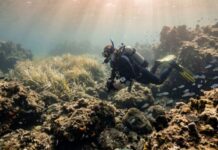
At the very heart of this extraordinary and delicate biodiversity is Posidonia oceanica, a unique species of seagrass that is strictly endemic to the Mediterranean and arguably its most important foundational species. Often accurately referred to as the lungs of the Mediterranean, these extensive underwater meadows provide critical oxygen to the marine environment while simultaneously absorbing massive, significant amounts of carbon dioxide from the atmosphere. In fact, Posidonia meadows are recognized among the most effective blue carbon sinks on the planet, sequestering carbon at a rate significantly higher than many dense terrestrial forests. Beyond their crucial role in global climate regulation, these vibrant meadows serve as vital nurseries, safe breeding grounds, and complex shelters for a vast, bustling array of fish and invertebrates. They also play a fundamental physical role in directly protecting coastal areas from severe erosion by effectively dampening the force of destructive waves and stabilizing the sandy seabed with their incredibly deep and interwoven root systems. Protecting Posidonia oceanica is therefore not just a matter of basic biological conservation; it is an absolutely essential strategy in our broader, global fight against global warming and coastal degradation.
The vibrant, azure waters of the Mediterranean are also traversed by an impressive, awe-inspiring variety of charismatic megafauna, many of which are currently classified by international bodies as highly vulnerable or critically endangered. The loggerhead sea turtle, for instance, relies heavily on the warm, sandy beaches of the eastern and central Mediterranean for its crucial nesting seasons, while the critically endangered Mediterranean monk seal desperately seeks refuge in secluded, undisturbed coastal caves to raise its pups. Furthermore, the sea is an indispensable habitat for several prominent species of cetaceans, including the majestic fin whale, the deep-diving sperm whale, and various intelligent species of dolphins. The Pelagos Sanctuary, a vast, internationally recognized marine protected area situated in the northwestern Mediterranean, was specifically established to protect these magnificent marine mammals from the myriad human-induced threats they constantly face, such as lethal ship strikes, pervasive underwater noise pollution, and accidental entanglement in commercial fishing gear. The continued presence of these top-tier predators is widely recognized as a key indicator of the overall health and stability of the marine ecosystem, making their conservation a top, unwavering priority for researchers and environmentalists alike.
Understanding the inherent vulnerability of the Mediterranean requires a deep appreciation of its unique, enclosing geography. As a semi-enclosed sea, its only natural, flowing connection to the vast global ocean is the incredibly narrow Strait of Gibraltar. This highly restricted water exchange means that the Mediterranean has a very slow, prolonged renewal rate; it takes approximately an entire century for the waters of the entire basin to be completely replaced. While this historical isolation has greatly contributed to the fascinating evolution of its unique endemic species, it also acts as a dangerous double-edged sword in the modern era. The slow, sluggish turnover rate inevitably transforms the Mediterranean into a massive, unavoidable trap for modern pollutants. Whatever enters these enclosed waters—be it toxic chemical runoff, raw untreated sewage, or persistent plastic debris—tends to stay there for a very long time, steadily accumulating to dangerous, toxic levels and exerting prolonged, compounding stress on the enclosed marine ecosystems. This stark geographical reality underscores the urgent, non-negotiable need for stringent pollution control measures across all surrounding coastal nations.
Among the most pressing, visible threats to the Mediterranean is the catastrophic, unchecked accumulation of plastic pollution. Recent scientific studies have painted a grim, alarming picture, revealing that the Mediterranean Sea currently has one of the highest concentrations of dangerous microplastics in the entire world. Every single year, hundreds of thousands of tons of plastic waste tragically find their way into these historic waters, largely driven by inadequate coastal waste management systems, highly intensive seasonal coastal tourism, and heavily polluted riverine discharges. This robust plastic debris does not simply disappear or harmlessly dissolve; it gradually breaks down over decades under the relentless influence of harsh sunlight and continuous wave action into microscopic, insidious fragments. These pervasive microplastics are then mistakenly ingested by a wide range of marine organisms, from tiny, filtering zooplankton to large, majestic baleen whales, rapidly introducing toxic, harmful chemicals directly into the marine food chain. The visual, disheartening blight of plastic littered across once-pristine beaches is only the visible tip of the iceberg; the invisible, pervasive threat of microplastics suspended throughout the entire water column poses a profound, existential risk to marine life and potentially to human health through the ongoing consumption of contaminated seafood.
Plastic, however, is certainly not the only dangerous pollutant systematically suffocating the Mare Nostrum. The sea is heavily and continuously impacted by a constant influx of chemical and organic pollutants originating from massive agricultural runoff and unregulated industrial discharges. Nitrogen-rich fertilizers and toxic pesticides washed off vast farmlands by heavy rain eventually make their way into river systems and, subsequently, flow into the sea, leading to severe eutrophication—a destructive process that rapidly depletes oxygen in the water column and creates expansive dead zones where marine life absolutely cannot survive. Additionally, the Mediterranean stands as one of the busiest, most congested maritime commercial routes globally, accommodating a highly significant percentage of the world’s total shipping traffic. This heavy maritime presence brings with it the persistent, ever-present risks of catastrophic oil spills, widespread illegal discharges of toxic bilge water, and the slow leaching of harmful antifouling paints into the delicate marine environment. The cumulative, synergistic impact of these various, overlapping sources of pollution severely degrades overall water quality and drastically compromises the natural resilience of critical marine habitats.
Compounding the severe, multifaceted challenges posed by pollution is the overarching, existential threat of global climate change. The Mediterranean basin has been widely and officially recognized by international climate scientists as a primary climate change hotspot, currently warming at an alarming rate that is approximately twenty percent faster than the global oceanic average. This rapid, unprecedented increase in sea surface temperatures is fundamentally and irreversibly altering the basic physical and chemical properties of the water, driving profound, unpredictable ecological shifts across the basin. One of the most visible and concerning consequences of this rapid warming is the biological phenomenon commonly known as the tropicalization of the Mediterranean. As the local waters become increasingly warmer, they become highly hospitable to thermophilic, or warm-water loving, species. This rapidly changing thermal landscape is actively pushing native temperate species deeper into the abyss or further north in a desperate search of cooler waters, severely disrupting long-established ecological niches and destabilizing entire food webs.
The progressive warming of the Mediterranean is intimately and dangerously linked to the alarming influx of non-indigenous, or alien, species, primarily entering the basin through the artificially expanded Suez Canal—a rapidly accelerating phenomenon known scientifically as Lessepsian migration. Aggressive, highly adaptable species such as the venomous lionfish and the voracious, herbivorous rabbitfish have rapidly and successfully established themselves in the eastern Mediterranean and are currently steadily expanding their territorial ranges westward. In many documented cases, these highly invasive species entirely lack natural, evolutionary predators in their newly adopted environment, allowing their local populations to explode uncontrollably. They consistently outcompete vulnerable native species for essential food and critical habitat, leading to significant, localized declines in overall biodiversity. The uncontrolled, rapid spread of these alien species represents a profound, systemic ecological disruption, permanently altering the historical composition of Mediterranean marine communities and posing severe, ongoing challenges to local artisanal fisheries that rely heavily on traditional, native catches.
The devastating, undeniable impacts of climate change are also currently manifesting in the terrifying form of increasingly frequent, highly intense marine heatwaves. These extreme, prolonged temperature anomalies can last for consecutive weeks or even months, causing catastrophic, widespread mass mortality events among vital benthic, or bottom-dwelling, species. Sessile organisms that are physically unable to migrate to cooler, deeper waters, such as ancient gorgonians, slow-growing sponges, and various delicate species of coral, are particularly vulnerable to these thermal shocks. When subjected to such prolonged, intense thermal stress, these complex, slow-growing habitats, which serve as the very architectural foundation of the Mediterranean’s stunning underwater landscapes, can be entirely decimated in a matter of days. The sudden loss of these vital habitat-forming species leads directly to a destructive cascading effect, resulting in a drastic, sudden reduction in overall marine biodiversity and the devastating structural collapse of entire, localized marine ecosystems. The increasing, silent acidification of the sea, yet another direct consequence of elevated atmospheric carbon dioxide levels, further severely hampers the biological ability of these calcifying organisms to recover, grow, and rebuild.

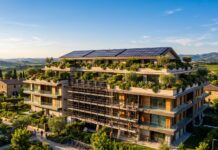
Confronted with these deeply intertwined and severe crises, the global narrative must urgently and decisively pivot from passive despair to dynamic, proactive action. The necessary path forward fundamentally necessitates a profound, systemic paradigm shift in exactly how we interact with our natural environment, and the core principles of the circular economy offer a highly robust and practical framework for this essential transformation. A true circular economy aggressively moves away from the highly destructive, traditional linear economic model of simply taking, making, and disposing, and instead strongly emphasizes designing out harmful waste, keeping valuable materials in active use for as long as theoretically possible, and actively regenerating degraded natural systems. In the specific context of the Mediterranean, vigorously applying circular economy principles is not merely a noble environmental imperative but a crucial, highly lucrative economic opportunity. By radically rethinking our entrenched production and consumption patterns, we can significantly and measurably reduce the massive volume of waste that ultimately reaches the sea, thereby effectively addressing the true root causes of pervasive marine pollution.
This critical transition is deeply and intrinsically intertwined with the emerging concept of a sustainable blue economy, which actively seeks to perfectly balance necessary economic growth with the rigorous preservation of vital marine ecosystems. Highly innovative circular solutions are already visibly beginning to take root across the diverse Mediterranean basin. For instance, pioneering, highly successful initiatives are currently strongly focused on recovering abandoned, lost, or otherwise carelessly discarded fishing gear, commonly and accurately known as ghost nets. These deadly, silent traps, which indiscriminately entangle and kill marine life for decades, are being actively retrieved from the deep seabed by dedicated, highly trained volunteer divers and ingeniously transformed through highly innovative industrial recycling processes into high-quality, durable nylon yarn. This regenerated, eco-friendly material is then eagerly utilized by the modern fashion and design industries to create sustainable, premium clothing, high-end accessories, and even beautiful furniture. Such inspiring initiatives clearly and tangibly demonstrate the profound, untapped potential of actively viewing marine litter not as a permanent, depressing blight, but as a highly valuable, reusable resource simply waiting to be intelligently repurposed.
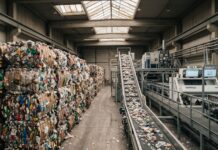
Furthermore, effectively mitigating plastic pollution unequivocally demands a radical, comprehensive overhaul of our global approach to product packaging. The widespread, rigorous implementation of Extended Producer Responsibility policies is a legally vital and necessary step in this critical direction. These smart policies firmly hold large manufacturers legally and financially accountable for the entire, extended lifecycle of their manufactured products, specifically including the problematic post-consumer stage. By strongly incentivizing global companies to intelligently design packaging that is infinitely reusable, easily and cheaply recyclable, or fully, naturally biodegradable, we can drastically and rapidly reduce the global reliance on toxic single-use plastics. Across the beautiful Mediterranean coastlines, an increasing, encouraging number of progressive municipalities are confidently adopting strict zero-waste strategies, actively promoting the daily use of sustainable alternative materials, and heavily investing in highly advanced sorting and recycling municipal infrastructure. These vital localized efforts, when effectively scaled up and strongly supported by robust, enforceable regional policies, absolutely have the power to turn the devastating tide against the relentless deluge of plastic waste currently threatening the marine environment.
Beyond essential waste reduction, the active, scientifically guided conservation and physical restoration of degraded marine habitats stand as essential, foundational pillars of any sustainable future. Scientifically designed Marine Protected Areas have consistently proven to be one of the most highly effective, reliable tools available for safeguarding delicate biodiversity and proactively building long-term ecosystem resilience. When properly, strictly managed and rigorously enforced, these underwater sanctuaries readily provide a safe, undisturbed haven where decimated fish populations can rapidly recover, destroyed habitats can naturally regenerate, and highly complex, broken food webs can successfully re-establish themselves over time. Outstanding, highly successful examples, such as the thriving marine reserve of Torre Guaceto in southern Italy or the internationally renowned Port-Cros National Park in France, powerfully demonstrate the remarkable, innate regenerative capacity of the sea. These strictly protected zones not only effectively preserve critical ecological integrity but also consistently generate highly significant, positive spillover effects, actively replenishing depleted fish stocks in adjacent, unprotected waters and thereby strongly supporting the traditional livelihoods of local, small-scale artisanal fishers. Expanding and connecting this vital network of effectively managed marine protected areas is absolutely crucial for ensuring the long-term, biological health of the entire Mediterranean.
Intelligent, sustainable fisheries management is yet another highly critical, indispensable component of a functioning blue economy. The traditional Mediterranean fishing industry, primarily characterized by small-scale, culturally significant artisanal fleets, is deeply and historically embedded in the vibrant cultural fabric of countless coastal communities. However, decades of relentless overfishing and the widespread, reckless use of highly destructive commercial fishing gear have severely, and in some cases irreversibly, depleted many highly valuable commercial fish stocks. Transitioning to genuinely sustainable practices fundamentally involves strictly respecting seasonal biological breeding cycles, legally implementing and enforcing strict, science-based catch quotas, and widely adopting highly selective fishing methods that actively minimize wasteful bycatch and strongly prevent physical damage to delicate, essential seabed habitats like ancient Posidonia meadows. Empowering local, traditional fishers and actively involving them in the democratic co-management of regional marine resources practically ensures that implemented conservation strategies are both ecologically sound and practically economically viable. By consciously choosing to consume strictly locally sourced, verifiably sustainably caught seafood, everyday consumers also play a pivotal, highly influential role in directly driving the global market towards much more responsible, ethical practices.
The massive tourism sector, which clearly forms the primary economic backbone of many Mediterranean countries, must also urgently undergo a profound, systemic transformation towards true sustainability. While the massive annual influx of millions of enthusiastic visitors each summer undeniably brings vast, necessary economic benefits, it also consistently exerts tremendous, unsustainable pressure on fragile coastal ecosystems, severely exacerbating regional water scarcity, dramatically increasing local energy consumption, and generating absolutely massive, unmanageable amounts of solid waste. The aggressive promotion and widespread adoption of sustainable and low-impact ecotourism models is absolutely imperative. This shift fundamentally involves strongly encouraging modern travel practices that actively minimize personal environmental impact, deeply respect unique local cultures, and financially contribute directly to the ongoing conservation of vital natural habitats. From requiring eco-certified accommodations and promoting low-impact, non-motorized recreational activities to funding campaigns that thoroughly educate arriving tourists about the extreme fragility of the marine environment, the tourism industry truly has the untapped potential to become a powerful, well-funded force for active conservation rather than a relentless driver of ecological degradation.
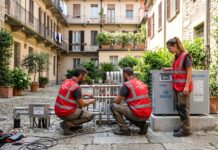
The comprehensive protection of the Mediterranean Sea absolutely cannot be successfully achieved by isolated governments and slow-moving institutions alone; it fundamentally requires the highly active, passionate participation and deep, sustained engagement of everyday civil society. Innovative citizen science initiatives are rapidly emerging as a highly powerful, invaluable tool in modern marine conservation efforts. By effectively utilizing widely available mobile applications and actively participating in organized, scientific biological surveys, ordinary concerned citizens, recreational divers, and weekend boaters are now consistently contributing highly valuable, real-time data regarding the shifting distribution of marine species, the alarming new presence of invasive alien species, and the localized accumulation of dangerous marine litter. This widespread, democratized data collection greatly and significantly enhances the overall capacity of marine scientists to accurately monitor rapid environmental changes and immediately inform smart, targeted policy decisions. Furthermore, highly visible community-led beach clean-ups and engaging local educational outreach programs actively foster a deep, personal sense of environmental stewardship and a lifelong emotional connection to the sea, powerfully inspiring individuals to permanently adopt much more sustainable daily lifestyles and become vocal advocates for strict environmental protection.
Given the inherently interconnected, transboundary nature of vast marine ecosystems, the effective, long-term governance of the Mediterranean Sea fundamentally and absolutely relies on robust, transparent international cooperation. The historic Barcelona Convention, formally adopted under the guiding auspices of the United Nations Environment Programme, currently serves as the primary, essential legal framework for the coordinated protection of the Mediterranean marine and coastal environment. This landmark, vital agreement successfully brings together the twenty-one diverse countries physically bordering the sea, along with the united power of the European Union, in a clearly shared, legally binding commitment to aggressively combat pollution, strictly protect marine biodiversity, and actively promote genuine sustainable development across the entire region. Continuously strengthening this vital multilateral cooperation, legally ensuring the rigorous, uniform enforcement of agreed environmental regulations, and actively facilitating the rapid transfer of innovative green technologies and necessary financial resources between nations are absolutely essential, non-negotiable steps in effectively addressing the highly complex, interconnected regional challenges that absolutely no single Mediterranean nation can possibly hope to solve in isolation.
As we globally observe the highly significant International Day of the Mediterranean Sea, we are collectively presented with an invaluable, timely opportunity to deeply reflect on our profound, historical connection to this breathtakingly magnificent body of water. The myriad challenges we currently face are undoubtedly daunting and highly complex, ranging from the highly pervasive, visible scourge of plastic pollution to the far-reaching, invisible impacts of a rapidly changing global climate. Yet, amidst these severe, pressing threats, there is a powerful, undeniable, and rapidly growing undercurrent of genuine hope and determined optimism. Across the entire, sun-drenched Mediterranean basin, a highly vibrant, dedicated movement composed of brilliant scientists, forward-thinking policymakers, innovative green entrepreneurs, and deeply passionate everyday citizens is tirelessly working together to forge a much more sustainable, resilient path forward. The highly innovative, scalable solutions currently driving the modern circular economy, the rapid, necessary expansion of strictly protected marine sanctuaries, and the highly encouraging, increasing global awareness of the ocean’s absolutely critical importance to human survival all firmly point towards a much brighter, more secure, and highly resilient future for the region.
The majestic Mare Nostrum is fundamentally characterized by its absolutely remarkable, enduring resilience. Millennia of human history have clearly shown that when we consciously and deliberately alleviate the heavy, unnatural pressures we routinely place upon it, nature fundamentally possesses an extraordinary, almost miraculous capacity to rapidly heal, adapt, and regenerate itself. By enthusiastically and universally embracing proven sustainable practices, rapidly transitioning our regional economies to a fully circular model, and actively fostering a deep, unwavering, and universal respect for all marine life, we can absolutely ensure that the glorious Mediterranean Sea continues to thrive and flourish. It is certainly not just about nostalgically preserving a beautiful, picturesque landscape for future holidaymakers; it is fundamentally about actively sustaining the very biological lifeblood that has continuously nourished and shaped human civilization for countless millennia. Let us boldly use this important international day not simply as a fleeting moment of quiet reflection, but as a powerful, enduring catalyst for meaningful, highly positive, and lasting systemic change. Together, united in purpose and action, we absolutely possess the power to effectively protect this irreplaceable shared treasure, guaranteeing that its historically rich waters remain vibrantly healthy, profoundly beautiful, and teeming with abundant life for countless generations yet to come.