





















Few culinary rituals are as universally cherished as the arrival of a steaming pizza on a lively Friday evening. Gathered around a low table with family or friends, the familiar aroma of toasted dough, melted mozzarella, and oregano instantly signals comfort, leisure, and celebration. Yet, once the final slice has vanished and all that remains are scattered crumbs and transparent rings of olive oil, an almost universal domestic dilemma arises beside the kitchen waste bins. Holding the bulky corrugated cardboard box, millions of well-intentioned citizens hesitate, caught between the instinct to treat all paper packaging as recyclable cardboard and the lingering doubt caused by conspicuous food grease. This seemingly modest moment at the sorting bin represents one of the most widespread friction points in modern municipal waste management, highlighting how subtle material interactions can either empower or undermine our shared circular economy.
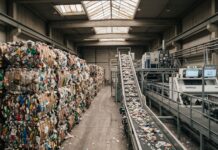
Understanding why pizza boxes cause such persistent headaches requires a closer look at the physics and chemistry of the paper recycling process. Corrugated cardboard is an exceptionally valuable resource in the circular loop, composed of sturdy cellulose fibers that can be re-pulped, cleaned, dried, and re-manufactured into fresh packaging up to seven or eight times. During standard industrial recycling, sorted paper and cardboard are submerged in massive hydropulpers filled with warm water, where mechanical agitation breaks down the sheets into an aqueous fiber slurry. This slurry undergoes centrifugal cleaning and fine screening to remove staples, plastic tape, adhesives, and ink pigments. Because water and cellulose form natural hydrogen bonds, the fibers readily separate and realign into new, resilient paper webs.
The fundamental conflict begins with lipids. Oil and animal fats are entirely hydrophobic and do not dissolve in the water-based baths of traditional repulping facilities. When heavily soiled cardboard enters the pulper, grease breaks apart into tiny, sticky droplets that float through the screens alongside the suspended fibers. As the recycled slurry is laid out and pressed across high-speed rollers to create new paper reels, these trapped lipids prevent cellulose strands from bonding tightly together. The resulting paper suffers from structural weaknesses, unsightly oil spots, brittle tears, and unpleasant odors. If a substantial volume of greasy fiber infiltrates a commercial batch, entire tons of manufactured pulp can be compromised, turning high-value secondary raw materials into substandard stock that must be downgraded or rejected entirely.
Faced with this technical reality, municipal guidelines historically instructed households to discard used pizza boxes directly into the residual dry waste bin, ensuring that zero grease entered the paper stream. However, this blanket approach overlooked an enormous missed opportunity for sustainability. Takeaway pizza consumption accounts for millions of tons of high-grade virgin kraft paper annually across the globe, manufactured from long, strong softwood fibers that are desperately needed to maintain the tensile strength of the recycled paper pool. Consigning clean pizza lids and intact packaging to landfills or waste-to-energy incinerators represents an unnecessary loss of natural resources, higher municipal hauling fees, and preventable greenhouse gas emissions associated with harvesting fresh timber.
Thankfully, modern ecological wisdom and advancements in commercial sorting have replaced blunt, all-or-nothing disposal advice with a far more nuanced, resource-conscious methodology. The golden rule of the pizza carton begins with immediate physical inspection and simple mechanical separation. When a takeaway box is opened, the base is invariably the section that bears the brunt of the heat, absorbing melted cheese, tomato sauce, and garlic butter, while the upper lid often remains immaculate, having touched nothing more than clean air and steam. Treating these two distinct halves as separate waste entities takes mere seconds and unlocks an optimal environmental outcome.
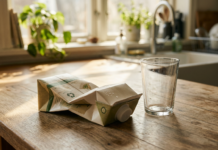
To master this sustainable household routine, start by dismantling the carton along its natural folds and perforations. Carefully detach the pristine, unsoiled lid and the clean side flaps from the greasy base using your hands or a pair of kitchen scissors. Any portion of the corrugated cardboard that is free from oil stains, sauce smears, and baked-on cheese belongs squarely in the designated paper and cardboard collection container. Before tossing these clean sections into your indoor paper bin, make sure to flatten them completely. Unflattened cardboard boxes trap vast pockets of air, artificially filling municipal bins within hours and forcing collection trucks to haul empty space, driving up fuel consumption and neighborhood emissions.
Next, direct your attention to the soiled base of the box. Before deciding on its final destination, scrape away any solid food remnants, such as hardened crusts, stray basil leaves, burned pepperoni, or clumps of cheese, dropping them straight into the organic compost bin. Food scraps should never accompany dry recyclables, nor should they be allowed to rot anaerobically inside sealed residual bags when composting infrastructure exists. Once solid scraps are cleared, examine the residual grease stains on the remaining cardboard floor. The decisive factor determining the next step is whether the packaging is certified compostable and whether your local authority permits paper packaging inside municipal organic collection streams.

In an increasing number of eco-conscious communities, clean and lightly soiled unbleached cardboard that conforms to recognized industrial compostability standards is welcomed inside the organic brown bin alongside food scraps and garden trimmings. When organic waste travels to specialized anaerobic digestion or industrial composting facilities, micro-organisms naturally break down both the cellulose fibers and the lingering food oils, transforming the combined material into nutrient-dense agricultural soil conditioner and renewable biogas. In these progressive jurisdictions, heavily stained pizza box bases can simply be torn into hand-sized pieces and integrated directly with household fruit peels and coffee grounds, bypassing the paper mill entirely while providing rich carbon that balances moist, nitrogen-heavy kitchen waste.
However, this organic pathway is not universal, and making assumptions can inadvertently compromise municipal composting systems. In territories where local composting plants rely on rapid cycle processing or where facility screens are not calibrated to digest heavy corrugated fibers, cardboard is prohibited from the brown bin. Furthermore, certain specialty pizza boxes are treated with invisible chemical barriers, such as fluorinated grease-resistant coatings or thin interior plastic laminations designed to keep sauce from soaking through during long delivery routes. These non-biodegradable barriers do not break down in municipal compost heaps and can shed persistent microplastics and chemical residues into agricultural topsoil. If your local waste rules do not expressly permit greasy cartons in the organic bin, or if the box bears a glossy, water-resistant interior film that does not absorb moisture, the soiled portion must be placed in the non-recyclable residual waste container.
Beyond the cardboard itself, consumers must remain vigilant about the small accessory items that frequently accompany delivery boxes. One ubiquitous culprit is the tiny plastic tripod, affectionately known as the pizza saver or box table, inserted in the center of the pie to prevent the cardboard lid from collapsing into hot toppings during transit. Made of rigid plastic such as polypropylene, this small piece must be removed and sorted according to regional packaging guidelines. Similarly, delivery services often line the base of the box with sheets of aluminum foil, greaseproof parchment paper, or thermal pads. Each of these inserts must be separated: clean aluminum foil can be balled up with household metals, whereas silicone-coated baking parchment or composite greaseproof sheets generally belong in the residual bin unless specifically certified as home compostable.
Another common misconception centers on the idea of washing cardboard boxes under the kitchen faucet to rinse away sauce before recycling. While rinsing plastic bottles, glass jars, and metal cans is standard ecological best practice, applying water to corrugated cardboard is entirely counterproductive. Wetting paper packaging weakens the fiber matrix prematurely, activates mold spores if stored in household bins, and causes the wet fibers to adhere to other clean dry papers, rendering entire batches unfit for pulping. If a section of cardboard cannot be cleaned through simple mechanical scraping with a butter knife or fork, it must not be forced into the paper stream through soaking.
Cultivating these precise habits transforms our relationship with waste from a passive chore into an active contribution to municipal well-being. Circular economies are fundamentally built on raw material purity. When citizens invest twenty seconds to separate a clean carton lid from an oily floor, they prevent tons of virgin wood harvesting, protect sensitive recycling machinery from expensive downtime, and lower municipal operating costs that are ultimately funded by taxpayer contributions. Conscientious sorting represents an everyday vote for cleaner cities, resilient supply chains, and respectful consumption of planetary resources.
Because municipal waste infrastructure, processing machinery, and biological composting standards differ noticeably from one region to another, sorting guidelines for pizza boxes can vary markedly between neighboring towns. A sorting practice celebrated in one metropolis might cause operational contamination in an adjacent district, making reliable local intelligence indispensable, particularly when hosting friends in new neighborhoods or traveling across regional borders.
To navigate these changing local landscapes without stress, digital innovation provides an ideal answer through the SmartRicicla app. Conceived as an intuitive ecological companion, the application harnesses smart geolocation technology to immediately identify the specific municipality you are currently located in. With a single tap on your smartphone screen, SmartRicicla delivers the exact, verified sorting regulations, collection timetables, and material classifications tailored directly to that specific territory. By removing ambiguity at zero cost, the platform guarantees that whether you are relaxing at home or enjoying an artisanal pizza in an unfamiliar holiday destination, your recycling decisions remain impeccably accurate and ecologically sound.
Embracing a sustainable lifestyle rarely requires monumental lifestyle overhauls; more often, it flourishes through small, informed choices repeated day after day. The humble pizza box, standing at the crossroads between comfort food and material science, challenges us to look beyond immediate convenience and recognize the intrinsic value of the resources passing through our hands. By separating clean fibers, directing food grease toward appropriate recovery streams, and leaning on reliable modern tools like SmartRicicla, we ensure that the warmth of our shared meals leaves behind nothing more than fond memories and a healthier, greener planet.