

























Friday nights around the world share a common, comforting ritual. The doorbell rings, and a warm, square cardboard box is handed over, emitting the unmistakable aroma of baked dough, melting mozzarella, and rich tomato sauce. The delivery pizza is a universal symbol of relaxation, a culinary escape from the week’s labor. Yet, once the final slice is savored and the satisfaction settles, a modern environmental dilemma emerges on the kitchen counter. There lies the empty pizza box, smeared with oil and dotted with hardened cheese. It is a familiar scene that inevitably leads to a moment of hesitation in front of the household recycling bins. The cognitive dissonance is palpable: we hold a product made of cardboard, a material we have been trained to recycle since childhood, but it is heavily contaminated with food residue. This widespread confusion transforms the humble pizza box into one of the most misunderstood items in the municipal waste stream.
The intention to recycle is almost always present, driven by a growing collective ecological awareness and a genuine desire to minimize our environmental footprint. However, good intentions without correct information often lead to a phenomenon known as wish-cycling, where items are tossed into the recycling bin with the hopeful assumption that the sorting facilities will figure it out. When it comes to the pizza box, this well-meaning habit can wreak havoc on the entire recycling process. To truly participate in the circular economy, we must move beyond guesswork and understand the complex journey of this everyday packaging, transforming a moment of post-dinner confusion into a deliberate act of environmental stewardship. A pizza box is not just a single entity; it is a tale of two halves, each requiring a distinct ecological destiny based on the physical properties of the materials and the contaminants they hold.
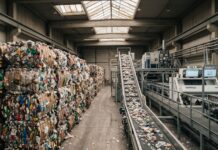
To comprehend why the pizza box causes such a headache for waste management facilities, one must first understand the delicate mechanics of paper recycling. When you place a clean piece of cardboard into the designated bin, it embarks on a fascinating journey of transformation. At the recycling plant, the paper is mixed with water and chemicals in a massive blender-like machine called a pulper. The goal is to break the cardboard down into a slurry of individual cellulose fibers. In a perfect world, these fibers are then washed, screened for impurities, and pressed into new sheets of paper or cardboard. However, the introduction of oil and grease fundamentally disrupts this aqueous process. Unlike plastics or glass, which rely on extreme heat to melt and reform, paper recycling is entirely dependent on water. As basic chemistry dictates, oil and water simply do not mix.
When a greasy pizza box enters the pulper, the fats from the cheese and olive oil separate from the cardboard and coat the cellulose fibers. This oily coating acts as a barrier, preventing the fibers from binding together during the crucial pressing and drying stages. The result is a weak, compromised batch of recycled paper, often riddled with unsightly grease spots and possessing inferior structural integrity. In many cases, a significant amount of grease contamination can render an entire batch of recycled pulp completely unusable, forcing the facility to divert what could have been valuable recycled material directly to a landfill or a waste-to-energy incinerator. Therefore, tossing a heavily soiled pizza box into the paper bin is not just a neutral mistake; it is an active sabotage of the recycling process, undermining the efforts of your entire community and causing severe financial and environmental losses for the recycling industry.
The secret to flawlessly recycling a pizza box lies in recognizing that it is rarely a single, uniform type of waste once the meal is over. The correct approach requires a brief moment of physical dissection. The first and most crucial step is to tear the box in half, completely separating the lid from the base. More often than not, the lid of the box remains entirely untouched by the pizza. It stands proudly as a pristine piece of high-quality corrugated cardboard, completely free of oil, sauce, or cheese. This clean top half is a prime candidate for the paper recycling bin. By isolating the clean lid, you are actively rescuing valuable material and ensuring it can be successfully transformed into new products, such as tissue paper, notebooks, or even the next generation of delivery boxes.
Before depositing the lid into your household paper bin, it is highly recommended to flatten or fold it. Corrugated cardboard is incredibly bulky, and an intact half-box takes up a significant amount of volume. Flattening the cardboard maximizes the capacity of your bins and optimizes the efficiency of the collection trucks, reducing the number of trips required and subsequently lowering carbon emissions associated with waste transport. It is a small physical effort that yields a cascading series of logistical and environmental benefits. Always take a moment to inspect the lid; if a rogue slice of pepperoni has left a heavy grease stain on the top, that specific stained portion must be torn off and treated differently. However, in the vast majority of cases, the upper half of the box is a straightforward, highly valuable contribution to the paper recycling stream.
The bottom half of the pizza box presents an entirely different challenge. This is the battleground where the pizza rested, leaving behind a telltale map of grease, baked-on dough, and tomato sauce smears. Because of the aforementioned incompatibility between oil and the paper pulping process, this heavily soiled cardboard must never be placed in the paper recycling bin. Instead, its destination shifts to a different biological cycle entirely. In many modern municipalities with advanced waste management infrastructure, the greasy bottom half of the pizza box is welcomed in the organic waste bin, right alongside your fruit peels, vegetable scraps, and coffee grounds. The reasoning behind this lies in the fascinating science of industrial composting.
Corrugated cardboard is inherently a carbon-rich material, often referred to in composting terminology as a brown material. When introduced to an industrial composting facility, this carbon source balances out the nitrogen-rich green materials, which are typically the food scraps. The microorganisms responsible for breaking down organic matter thrive in this balanced environment. Furthermore, these robust industrial composting environments reach temperatures significantly higher than backyard compost piles, high enough to efficiently break down the complex fats, grease, and oils that would otherwise ruin the paper recycling process. Over a period of weeks, the soiled cardboard decomposes entirely, transforming into nutrient-rich compost that can be used to fertilize agricultural fields, revitalize depleted soils, and landscape public parks.
To facilitate this rapid decomposition, it is highly beneficial to tear the greasy cardboard base into smaller, manageable pieces before placing it in the organic bin. Smaller pieces provide a drastically larger surface area for the decomposing microbes to attack, speeding up the creation of compost and preventing large, intact sheets of cardboard from creating anaerobic pockets within the composting piles. Anaerobic pockets, which lack oxygen, can slow down the composting process and produce foul-smelling gases like methane. By shredding or tearing the greasy base into fragments no larger than a standard sheet of paper, you are actively assisting the composting facility in efficiently processing your community’s organic waste.

While the practice of placing greasy cardboard into the organic bin is becoming increasingly standard, it is paramount to acknowledge that waste management rules are not universally uniform. The environmental infrastructure varies wildly from one region to another, and what is considered a best practice in a metropolitan hub might be strictly forbidden in a smaller rural community. Some municipal composting facilities utilize anaerobic digestion or different biological processes that may not efficiently handle large quantities of greasy, bulky cardboard. In these specific jurisdictions, the local authorities will explicitly mandate that soiled pizza boxes be disposed of in the general, undifferentiated waste bin. Placing it in the organic bin in these areas would constitute contamination, potentially disrupting their specific waste processing workflow.
This regional variability is one of the most frustrating aspects of the modern recycling landscape. It demands a high level of civic engagement and requires residents to proactively seek out and understand their local municipal guidelines. A common pitfall is the assumption that because a neighboring city accepts pizza boxes in the organic waste, your city must do the same. This assumption can lead to systemic contamination. Furthermore, some pizza boxes are now treated with chemical coatings or thin plastic layers to prevent grease from leaking through and staining furniture. While they may look like standard cardboard, these hidden coatings render the box entirely unsuitable for both paper recycling and composting, relegating them strictly to the general waste bin. Recognizing these subtle differences requires vigilance and a willingness to stay informed about the specific materials processed by your local waste management authority.
The complexity of the pizza box ecosystem extends beyond the cardboard itself. Hidden within the confines of the box are often auxiliary items that require their own distinct disposal strategies. The most common of these is the small, three-legged plastic device placed in the center of the pie, colloquially known as a pizza saver. The purpose of this clever little invention is to prevent the cardboard lid from sagging and sticking to the melted cheese during transit. While it is made of plastic, its recyclability depends entirely on your local facilities. In many areas, this rigid plastic item can be tossed into the plastic recycling bin, provided it has been thoroughly rinsed of any cheese or oil residue. A greasy pizza saver will contaminate the plastic recycling stream just as a greasy box contaminates the paper stream.
If you are unwilling to wash the plastic pizza saver, or if your municipality does not accept small, mixed-plastic items, it must be thrown into the general waste. Additionally, some pizzerias line the bottom of the box with a sheet of wax paper, parchment paper, or aluminum foil to serve as an extra barrier against grease. Aluminum foil, if heavily soiled with baked-on cheese, usually goes into the general waste, though some progressive municipalities may accept clean or lightly soiled foil in the metal recycling bin. Wax or parchment paper, being heavily treated and contaminated with food, almost universally belongs in the general waste bin, unless specifically certified as compostable by a recognized authority. Finally, and perhaps most importantly, the box must be entirely emptied of actual food before any recycling or composting can occur. Leftover crusts, abandoned dipping sauce cups, and stray toppings must be scraped directly into the organic bin.
Navigating this labyrinth of recycling rules, especially when dealing with complex, multi-component items like the pizza box, can easily induce a sense of ecological fatigue. The rules change not only based on the material but also based on the specific technological capabilities of the municipal facilities in your immediate area. This complexity multiplies exponentially when you travel for work, move to a new city, or simply take a weekend vacation. The organic bin in Rome might gladly accept materials that the dry waste bin in Milan strictly prohibits. Trying to memorize the waste disposal calendars and the intricate nuances of what goes where in every new location is an impossible task for any citizen. This is where modern technology steps in to bridge the gap between environmental good intentions and flawless execution.
In the foreground of this digital green revolution is the SmartRicicla app. This innovative tool serves as a personalized, pocket-sized waste management consultant, designed to completely eliminate the guesswork and frustration associated with municipal recycling. By utilizing the precise geolocalization features of your smartphone, SmartRicicla instantly identifies the municipality you are currently standing in. Within seconds, it provides you with the exact, up-to-date rules for every category of waste, perfectly tailored to that specific geographic location. You no longer need to scour obscure municipal websites, wait on hold with city hotlines, or decipher confusing, outdated paper pamphlets.
If you find yourself holding a greasy pizza box in a rented holiday apartment, simply open the app, and it will immediately clarify whether that specific local authority requires it to go into the organic bin or the general waste. Beyond simply clarifying the rules for complex items, SmartRicicla offers comprehensive, synchronized calendars detailing exactly which bins are collected on which days, ensuring you never miss a collection morning. It is an extraordinary example of ecological intelligence at zero cost, empowering citizens to participate seamlessly in the circular economy regardless of where their travels take them. By removing the informational barriers to correct waste sorting, the app transforms recycling from a confusing chore into an effortless, highly accurate daily habit.
The journey to a sustainable future is not paved entirely with grand, sweeping technological breakthroughs; it is constructed day by day through the accumulation of small, mindful actions. The simple act of pausing after a satisfying pizza dinner, tearing the cardboard box in two, and directing the clean lid to the paper bin while routing the greasy base to the compost, represents a profound shift in consumer consciousness. It is a tangible demonstration of respect for the limited resources that sustain us and a steadfast commitment to the principles of a circular economy. When we take responsibility for the end-of-life cycle of our everyday items, we cease to be mere consumers and become active, vital participants in environmental regeneration.
The pizza box, once a mere symbol of weekend indulgence, transforms into an educational tool, teaching us about material sciences, biological decomposition, and the intricate, interconnected web of municipal waste management. Equipped with clear knowledge and supported by intuitive technological tools like SmartRicicla, we possess the power to drastically reduce contamination in our recycling streams. Let us embrace the challenge with optimism and precision, ensuring that our love for convenient, delicious food never comes at the expense of the health of our planet. Every properly sorted box is a small, measurable victory for the earth, proving that with a little effort and the right information, flawless recycling is always within our reach.