























In 2026, the fight against neurodegenerative diseases such as Alzheimer’s and Parkinson’s has reached a turning point. While for decades pharmacological research focused almost exclusively on removing amyloid plaques, today the most advanced frontier of medical science targets neuroinflammation. In this scenario, Italy confirms itself as a world leader thanks to an extraordinary discovery coordinated by the CNR Institute of Biomolecular Chemistry: Sulfavant A.
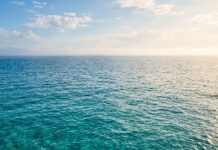
This “smart molecule,” derived from marine microalgae, is not just a success in biochemistry; it represents the paradigm of how environmental sustainability and human health are inextricably linked. Protecting the sea today literally means protecting our brain.
1. The Secret in Microalgae: The Genesis of Sulfavant A
The discovery of Sulfavant A is rooted in the study of the defense mechanisms of marine organisms. Microalgae, particularly diatoms, have developed over millions of years sophisticated molecules to protect themselves from environmental stress and external attacks. CNR researchers, operating between laboratories in Pozzuoli and Catania, managed to isolate and synthesize this class of sulfolipids, discovering unexpected pharmacological properties.
The mechanism of action: countering the “perfect storm” Unlike traditional drugs, Sulfavant A acts by modulating the brain’s immune response. Within our nervous system, microglia cells act as “scavengers” and protectors. However, in the presence of pathologies like Alzheimer’s, these cells can become overactive, triggering chronic inflammation that ends up destroying healthy neurons instead of protecting them.
Sulfavant A intervenes exactly here: it acts as a “smart switch” capable of turning off harmful inflammation without compromising the vital functions of the immune system. Technical studies indicate that the molecule is able to reduce the production of pro-inflammatory cytokines, protecting the integrity of synapses—the connections that allow our memories to persist.
2. Italian Research Excellence: A Global Hub
The success of Sulfavant A is not an isolated case, but the result of a national scientific ecosystem that has successfully integrated marine biology with pharmaceutical chemistry. The CNR, working in synergy with universities and clinical centers, has created a research protocol that starts from the observation of marine ecosystems to reach laboratory synthesis.
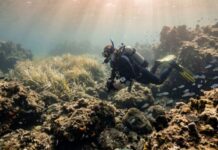
From bioprospecting to chemical synthesis The process, known as bioprospecting, involves sampling marine microorganisms in strategic areas of the Mediterranean. Once the biological activity of interest is identified, the challenge passes to organic chemists, who must reconstruct the molecule synthetically to make it available on a large scale without overexploiting natural resources. Sulfavant A is the symbol of this “green chemistry”: a clean, efficient, and targeted synthesis that avoids wasting reagents and minimizes environmental impact.

3. Statistics and Social Impact: The Urgency for a Cure
To understand the importance of this discovery, one must look at the numbers. In Italy, in 2026, it is estimated that over 1.2 million people are affected by dementia, with Alzheimer’s representing about 60% of cases. The aging population makes this pathology a true social and economic emergency, with care costs exceeding 15 billion euros annually.
The introduction of molecules like Sulfavant A could radically change these projections. If clinical trials confirm the molecule’s ability to slow disease progression in the early stages, we could witness an improvement in the quality of life for millions of patients and a drastic reduction in pressure on the national healthcare system.
4. Prevention and Lifestyle: The Brain Diet
While pharmacology is making great strides, the lesson from the CNR is that prevention begins at the table and through lifestyle. Sulfavant A teaches us that marine nutrients are fundamental.
The pillars of cognitive longevity:
- Omega-3 Fatty Acids: Essential for keeping neuronal membranes elastic and functional.
- Natural Antioxidants: Found in algae, fruits, and vegetables, they combat the oxidative stress that precedes neuroinflammation.
- Gut Health: A gut-brain axis exists. A diet rich in fiber and prebiotics promotes a healthy microbiome, which in turn produces natural anti-inflammatory molecules similar to those studied by researchers.
Technical Table: Sulfavant A vs. Traditional Treatments
| Feature | Anti-amyloid Drugs (Old Gen) | Sulfavant A (New Frontier) |
| Target | Amyloid protein plaques | Neuroinflammation and Microglia |
| Origin | Purely synthetic | Bio-inspired (Marine microalgae) |
| Side Effects | Risk of micro-hemorrhages (ARIA) | High biological tolerability |
| Mechanism | Passive removal of deposits | Active immune system modulation |
| Stage of Application | Mostly advanced stages | Potential preventive and early use |
5. The Future: Toward Precision Medicine
Sulfavant A paves the way for precision medicine in neurology. No longer a “one-size-fits-all” protocol, but targeted treatments based on the patient’s inflammatory profile. Italian research is already working to develop biomarkers capable of identifying which patients will benefit most from this molecule.
Furthermore, the versatility of Sulfavant A allows for its hypothesized use not only for Alzheimer’s but for a wide range of pathologies linked to chronic inflammation, including autoimmune disorders and certain forms of retinal degeneration. The sea confirms itself, once again, as our greatest natural pharmacy.
6. Lifestyle Impact: What Can We Do?
Scientific progress must be accompanied by individual awareness. We cannot simply wait for the “miracle drug”; we must act today to preserve our neuronal capital.
Practical tips for brain health:
- Aerobic Physical Exercise: Walking or swimming regularly stimulates the production of BDNF (Brain-Derived Neurotrophic Factor), a protein that promotes neuron survival.
- Continuous Learning: Reading, studying a new language, or learning to play an instrument creates “cognitive reserve,” making the brain more resilient to the damages of aging.
- Sleep Quality: During deep sleep, the glymphatic system “washes” the brain of toxins accumulated during the day. Neglecting rest means accelerating inflammatory processes.
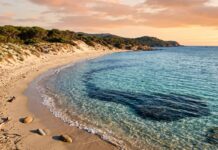
- Connection with Nature: Spending time near the sea or in natural environments not only reduces stress but reconnects us with the ecosystem that today, thanks to the CNR, we discover to be the guardian of remedies for our most complex pathologies.
The discovery of Sulfavant A is a reminder: our health depends on biodiversity. Every extinct microalga is a potential cure lost forever. Supporting marine research and protecting the oceans is, in every respect, an act of love toward ourselves and future generations.