



























The air grows warmer, the days visibly lengthen, and, almost as if guided by an ancestral biological clock, we feel an overwhelming need to throw open the windows and completely renew our living spaces. Spring is not solely the magnificent season of natural blooming; it is also the specific time of the year when our homes undergo their most radical transformations. It is the designated period for massive “decluttering,” for the meticulous deep cleaning that reaches into corners forgotten during the long winter months, for the eager awakening of terraces and gardens, and for the first, highly anticipated outdoor lunches and picnics.
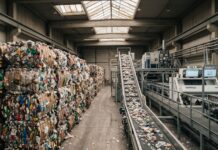
However, this intense domestic ferment generates a sudden, highly specific spike in waste production. Ecological platforms, waste management companies, and recycling sorting facilities are acutely aware of this phenomenon: between the months of April and June, their conveyor belts become inundated with items and materials that are rarely seen during the rest of the year. Punctually, alongside this surge in volume, there is an exponential increase in sorting and disposal errors. The sheer haste to tidy up, coupled with agonizing doubts over materials we do not handle on a daily basis, frequently drives us toward the insidious practice known as “wishcycling.” This is the hopeful act of tossing an ambiguous item into a recycling bin, crossing our fingers that the facility will magically find a way to recover it. In reality, this misplaced optimism ends up contaminating entire batches of perfectly good, recyclable materials, forcing operators to send valuable resources straight to landfills or incinerators.
Because every single type of waste is managed separately and must follow incredibly rigid industrial supply chains to be properly recycled, arriving prepared is absolutely fundamental. To transform our domestic sorting from a game of chance into a precise science, we must thoroughly understand the materials we are handling. Here is a detailed, uncompromising analysis of all the “false friends” and the most common, perplexing doubts related specifically to the waste generated during the spring season.
The Green Awakening: Gardening, Terraces, and Plants
Restoring your balcony or breathing new life into your garden is undeniably one of the most therapeutic and rewarding activities of spring. Yet, this botanical revival generates very particular types of waste that rigorously test our knowledge of environmental rules and recycling protocols.
Terracotta and Ceramic Pots One of the most devastating errors for the recycling industry occurs when, while repotting our beloved plants, we are left with a broken terracotta pot or a chipped ceramic planter. Human instinct, upon feeling the heavy, hard texture and hearing the clinking sound of these materials, might strongly suggest tossing them into the glass recycling bell. This is a catastrophic mistake. Terracotta, ceramics, and porcelain have melting temperatures that are enormously higher than those of standard soda-lime packaging glass (the glass used for bottles and jars). If even a small fragment of a ceramic or terracotta pot ends up inside the roaring furnace of a glassworks facility, it simply will not melt. Instead, it remains intact, transforming into a solid inclusion—known in the industry jargon as a “stone.” When the molten glass is blown or molded into a new bottle, this rigid inclusion creates a massive structural weakness. The new glass container will become incredibly fragile, highly prone to exploding upon experiencing the slightest thermal shock or during the pressurized bottling process at a beverage plant. Therefore, broken terracotta pots, ceramic planters, and plaster ornaments are classified as inert materials and must rigorously be thrown into the unsorted general waste bin (or, if the volumes are substantial, they must be personally transported to the municipal ecological collection center).
Plastic Nursery Pots (The “Black or Brown Planters”) When we eagerly purchase new seedlings or blossoming flowers at the local nursery, they invariably arrive housed in classic, soft plastic pots. Up until a few years ago, there was immense confusion regarding the fate of these specific containers, but today, the legal and operational classification is crystalline: these pots are expressly designed for the transport, protection, and retail sale of the plant. They function, to all intents and purposes, as packaging. Consequently, once they have been thoroughly emptied of all soil residues and shaken out, they can and absolutely must be placed in the PLASTIC recycling bin. However, a crucial distinction must be made: heavy, rigid plastic pots purchased entirely separately as permanent home decor are not classified as packaging. Because they do not carry the environmental contribution fee paid by packaging manufacturers, the sorting facilities are not equipped or funded to recycle them. If these decorative rigid pots break, they must be discarded in the unsorted general waste.
Lawn Clippings, Prunings, and Potting Soil Bags Freshly cut grass, pruned rose branches, withered flowers, and dead leaves are pure, unadulterated organic matter. However, volume is the critical factor here. Small, manageable quantities of faded balcony flowers or a few swept-up leaves can comfortably and correctly be tossed into your domestic ORGANIC bin. But if you have just mowed an entire suburban lawn or drastically pruned a thick perimeter hedge, these massive volumes (commonly referred to as “green waste”) must never clog up the standard curbside bins. They must be taken directly to ecological islands or disposed of through dedicated door-to-door green waste collection services, where provided by your municipality. Conversely, the empty plastic bags that once contained your universal potting soil, compost, or fertilizer require a different approach. You must shake them vigorously to completely eliminate any lingering dirt or organic residue, and then they must be recycled in the PLASTIC bin, as they are classic examples of protective packaging.
The Great Spring Cleaning: Detergents, Sponges, and Wardrobe Changes
Throwing open the windows to let the spring light flood in also means formally declaring war on accumulated winter dust. “Spring cleaning” is a deeply entrenched tradition, but executing it flawlessly requires a highly conscious and educated disposal of the tools and chemicals utilized in the process.
Sponges, Rags, and Microfiber Cloths After days spent rigorously degreasing, dusting, scrubbing, and polishing every surface of the house, our cleaning rags and sponges are often left frayed, foul-smelling, and completely unusable. But what exactly are they made of? The vast majority of commercially available synthetic sponges are manufactured from polyurethane foam, while modern cleaning cloths are typically a complex microfiber blend of polyester and polyamide. Because they are inherently composed of complex, mixed synthetic polymers, because they are thoroughly saturated with stubborn dirt and harsh chemical residues, and crucially, because they are not packaging, they absolutely cannot be recycled. Their one and only inevitable destination is the unsorted general waste bin. To drastically reduce this specific environmental impact, an excellent sustainable practice is to replace synthetic sponges with natural loofahs (dried sponge gourds). Once a loofah has reached the end of its scrubbing life, it is 100% compostable and can be safely tossed into the ORGANIC bin to return to the earth.
Detergent Bottles and Hazard Symbols The sturdy bottles that hold your heavy-duty degreasers, bleach, floor cleaners, and surface sanitizers are almost universally made of high-density polyethylene (HDPE) or PET. Therefore, they are perfectly suited to be recycled in the PLASTIC stream. However, there is a fundamental and potentially dangerous exception that many citizens completely ignore: if the product’s label features a printed chemical hazard pictogram (symbols such as the skull and crossbones, the bursting flame, the corrosive test tubes, or the dead tree with a dead fish, indicating substances that are Toxic, Flammable, or severe environmental hazards—commonly found in harsh solvents, industrial limescale removers, or unblocking acids), that bottle MUST NOT be placed in the plastic recycling under any circumstances. Even if the container is completely empty and rinsed, it is legally classified as Hazardous Urban Waste. It must be safely transported to the municipal collection center or handed over to specialized mobile eco-vans equipped to handle toxic residues.
The Seasonal Wardrobe Switch and Worn-Out Clothes The specific moment when heavy winter sweaters are packed away in boxes to make room for light t-shirts and summer dresses is frequently the prime occasion to discard garments that are hopelessly torn, deeply stained, or simply no longer fit. Clothing, shoes, leather bags, belts, and domestic textiles (such as old bed sheets, towels, and curtains) must never end up in the general waste bin. Italy mandated the separate collection of the textile fraction well before the broader European Union directives came into full effect. Even a sweater that is moth-eaten and irreparably full of holes retains immense industrial value: its fibers can be mechanically frayed and repurposed to manufacture acoustic insulation panels, automotive upholstery padding, or high-quality regenerated yarns (such as the world-renowned carded wool of the Prato textile district). All textiles must be carefully placed inside securely tied bags and deposited exclusively in the designated yellow street bins dedicated to clothing recovery.
The Great Outdoors: Picnics, Barbecues, and Getaways
As the weather turns mild and inviting, our lunches happily migrate from the dining room table to the backyard garden or local parks. The management of waste generated outdoors, or resulting from lively weekend barbecues, is another inexhaustible source of confusion and sorting errors.
The Barbecue Ash After a fantastic, long grilling session with family and friends, what is the correct protocol for the thick layer of ash accumulated in the brazier? If you have exclusively utilized virgin wood logs, dry natural branches, or pure, untreated charcoal to cook your food, the resulting ash is an absolute treasure trove of potassium and phosphorus. Once you are absolutely certain that it has completely cooled down (this step is a vital safety measure to prevent catastrophic fires inside the waste collection trucks or the industrial composting facilities), it can and should be disposed of in the ORGANIC bin. It will become a premium soil amendment for agricultural compost production. On the strict contrary, if you resorted to chemical firestarters, synthetic gels, or, worse yet, if you illegally burned treated, painted, or varnished wood (a practice that is also extraordinarily dangerous for human health due to toxic fumes), the resulting ash will be heavily contaminated with heavy metals and dioxins. This toxic ash must be sealed in a bag and thrown into the unsorted general waste.
Grills, Aluminum Trays, and Crown Caps The undisputed protagonists of any respectable barbecue are metallic materials. Italy boasts an excellent, highly efficient system for managing metals, but citizens must strictly remember the correct nomenclature and sorting rules: everything that is made of steel, tinplate, and aluminum falls under the macro-category of METALS. Therefore, the aluminum tray in which you marinated your ribs (even if it is encrusted with baked-on grease and marinades), the aluminum foil used to wrap the baked potatoes, the empty beverage cans, and the small metallic crown caps popped off beer bottles must all be meticulously sorted into the METALS collection. You do not need to scrub them with dish soap and a sponge; it is entirely sufficient to scrape away the solid food residues. The industrial melting process, which occurs in massive blast furnaces at temperatures exceeding 700 degrees Celsius, will instantly incinerate any microscopic organic trace left behind. Every single piece of metal is infinitely recyclable without any loss of quality.
Plates, Cups, and Cutlery The ongoing ecological transition has radically altered the landscape of single-use tableware. If you have consciously chosen to utilize plates and cups made of certified compostable bioplastics (clearly marked with the EN 13432 certification standard), they must be thrown into the ORGANIC bin, even if they are heavily soiled with ketchup or barbecue sauce. If, however, you are still relying on traditional, petroleum-based plastic cups and plates, remember that the law classifies them as packaging: empty them of solid food scraps and toss them into the PLASTIC bin. Traditional plastic cutlery (forks, knives, spoons), on the other hand, is subjected to a bureaucratic quirk: not being classified as packaging, they cannot be recycled and must go into the unsorted general waste. If you truly wish to do the environment a massive favor this spring, permanently banish all single-use items from your picnics in favor of durable, washable tableware or, as a secondary alternative, exclusively purchase compostable wooden cutlery that can be safely returned to the earth via the ORGANIC bin.

Spring Allergies and Health Products
Spring is not a romantic stroll through blossoming meadows for everyone. For millions of individuals, the months of April and May signify an onslaught of pollen, severe allergic rhinitis, and a consequently massive consumption of paper tissues and pharmaceutical products.
Paper Tissues The paper tissues we constantly use to blow our noses during allergy season must never, under any circumstances, be tossed into the paper recycling bin. The cellulose fibers of these specific tissues are industrially treated with special wet-strength chemicals to ensure they do not disintegrate at the first sneeze. This exact chemical characteristic makes them incredibly difficult to break down and repulp in a paper mill. Furthermore, they are heavily contaminated with biological fluids (mucus, bacteria, viruses). Their correct destination is the ORGANIC bin (the paper is ultimately compostable, and the extreme temperatures reached during the industrial anaerobic digestion and composting process easily annihilate the bacteria) or, if your specific municipality has highly restrictive organic waste rules, into the unsorted general waste.
Antihistamine Blister Packs and Syrup Bottles The packaging of over-the-counter medications (such as the daily antihistamines used for seasonal allergies) causes significant headaches for conscientious recyclers. The classic “blister packs” that hold pills are complex poly-laminated materials, comprising a rigid plastic shell thermally bonded to a thin aluminum foil backing. Precisely because the plastic component is vastly predominant by weight and serves a clear packaging function, in the overwhelming majority of municipalities, empty blister packs must be sorted into the PLASTIC recycling bin. The glass bottles that hold cough syrups, allergy eye drops, or nasal sprays must be thoroughly emptied. Once you have removed the plastic droppers, pumps, or caps (which go to plastic), the glass bodies must be rinsed and deposited into the GLASS collection bell. An extremely important caveat: if you have medications that have expired but are not yet fully consumed, they must never be thrown into normal domestic bins, nor should the liquids ever be poured down the sink or toilet, as they will severely pollute the water table. They must be safely taken to the specific collection bins for expired medicines located directly outside local pharmacies, ensuring they are safely incinerated without harming the ecosystem.
Conclusion: Technology at the Service of Sustainability
Optimally managing the fluctuating stream of seasonal waste might initially appear to be a complex, overwhelming endeavor, but it is a mental gymnastics routine that very quickly becomes second nature. The absolute golden rule remains steadfast: when in doubt, do not improvise. If you are genuinely unsure about the chemical composition of an object, throwing it into the wrong bin just to alleviate your “environmental guilt” causes exponentially more severe economic and ecological damage than reluctantly placing it into the unsorted general waste.
Always keep in mind the two fundamental, non-negotiable pillars of our sorting guidelines: the wet, putrescible fraction is strictly called ORGANIC, and that is where nature returns to the earth to become energy and fertilizer. Meanwhile, everything that we previously referred to colloquially as ‘cans’ belongs to the vast and incredibly precious family of METALS, and each of these streams must be rigorously managed separately to ensure maximum recovery.
What significantly complicates life for citizens is the extreme fragmentation of local regulations: an item that goes into one specific colored bin in Milan might have a completely different designated destination in Naples or Rome. Precisely to eliminate this frustrating margin of error and to reliably support every single one of your domestic sorting operations, the ultimate solution is located right in the palm of your hand. The SmartRicicla app is the indispensable, technological ally required to overcome any sorting impasse. It is sufficient to simply scan the product’s barcode with your smartphone camera or manually search for the name of the object to instantly receive geolocated, hyper-accurate disposal instructions tailored to the specific rules of your municipality.
Spring is the undisputed season of rebirth. Learning to meticulously and correctly manage our waste, thereby granting new life to materials through a flawless, contamination-free recycling process, is without a doubt the most authentic, concrete, and impactful way we can celebrate and fiercely protect the beautiful world that is currently blossoming right outside our windows.