


























For millions of people around the world, the morning ritual begins with the comforting hum of an espresso machine, the rich aroma of roasted beans, and the effortless extraction of a velvety cup of coffee at the touch of a single button. The rapid rise of portioned coffee over the last two decades has revolutionized domestic consumption, delivering barista-quality consistency and unmatched convenience directly into our kitchens. Yet, this seamless daily pleasure carries an invisible ecological footprint that surfaces immediately after the cup is poured. Left behind inside the machine sits a small, warm, dripping container composed of multiple distinct materials tightly bound together. For anyone committed to sustainable living, that tiny discarded vessel triggers an immediate and perplexing household dilemma: where does this spent capsule actually belong?
The dilemma is far more substantial than it might appear at first glance on the kitchen counter. Globally, tens of billions of single-serve coffee capsules are manufactured, brewed, and discarded every year, representing thousands of tons of virgin aluminium, complex multi-layer polymers, and organic matter. When disposed of haphazardly in residual waste, these compact units take centuries to decompose in landfills, squandering high-value raw materials and releasing methane as the trapped organic contents slowly break down in anoxic environments. Conversely, tossing a full capsule into the household plastics or metals recycling bin under the well-meaning assumption that it will be sorted out down the line creates an equally serious operational bottleneck for municipal sorting facilities, often rendering entire batches of recyclable materials unmarketable due to moisture and organic contamination.
To solve the conundrum of the coffee capsule, one must first recognize that not all single-serve portions are created equal. The market today is populated by a diverse array of competing formats, each engineered with entirely different material compositions, structural properties, and end-of-life trajectories. Broadly speaking, the portioned coffee universe is divided into four primary families: traditional E.S.E. paper pods, certified compostable biopolymer capsules, conventional aluminium capsules, and multi-layer plastic capsules. Treating these disparate formats as a single, uniform category of kitchen waste is the primary root of consumer confusion. Understanding the subtle distinctions between these formats is therefore essential for anyone seeking to practice flawless ecological stewardship in their daily life.
The simplest and historically earliest format is the paper pod, commonly recognized under the Easy Serving Espresso standard or as soft, round coffee pads. These items resemble small, circular tea bags packed with pressed ground coffee, encased entirely in virgin filter paper made of natural plant cellulose. Because there are no metallic foils or synthetic polymers present within the pod itself, its disposal pathway is remarkably straightforward. Spent paper pods belong directly in the organic waste container, commonly known as the brown bin or food scrap collection. Once deposited in the compost stream, the unbleached filter paper and the nutrient-dense coffee grounds decompose harmoniously within standard municipal composting cycles, turning into fertile, mineral-rich soil amendment in a matter of weeks. The only crucial caveat to keep in mind is the individual wrapper: the outer protective foil that seals the pod against moisture and oxygen is typically made of plastic or metallized film, and it must be discarded in the packaging collection, not alongside the pod itself.
In sharp contrast to natural paper pads, traditional rigid capsules represent a far more sophisticated engineering achievement, as well as a much steeper environmental challenge. Most conventional pods are crafted either from pure aluminium or from high-density rigid plastics like polypropylene, sealed with a thin heat-welded metallic membrane. Aluminium has long been favored by premium manufacturers because it acts as an absolute barrier against light, moisture, and ambient air, preserving volatile aromatic compounds for months without the need for secondary outer packaging. Furthermore, aluminium is renowned within the circular economy as an infinitely recyclable permanent material, capable of being melted down and reformed indefinitely without any loss of its intrinsic metallurgical properties. Recycling aluminium requires approximately ninety-five percent less energy than producing primary metal from bauxite ore, representing a massive potential dividend for climate mitigation.
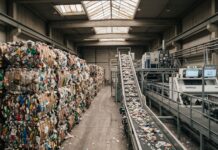
However, the environmental promise of aluminium capsules comes with an enormous operational catch: the spent coffee grounds trapped securely inside the metallic chamber. When an intact aluminium capsule is thrown into the dry recycling bin, modern optical sorters and eddy-current separators at material recovery facilities struggle to process it effectively. The capsule is heavy, wet, and filled with dense organic matter, which can jam mechanical sorting screens or degrade the purity of sorted scrap metal. In many municipal collection systems, an unemptied capsule found in the dry recycling stream is classified as a non-conforming reject and routed directly to incineration or landfill disposal, nullifying the consumer’s virtuous intentions and forfeiting the energy-saving benefits of the underlying metal.
To bridge this technological gap, several progressive mechanisms have emerged. The most effective route for conventional aluminium capsules involves closed-loop take-back initiatives established by major coffee manufacturers in collaboration with national recycling consortia. Under these voluntary programs, consumers can collect their used capsules in specially designed storage bags and return them either to brand boutiques or to designated collection drop-off points located at municipal civic amenity sites. From there, the collected capsules are transported to specialized processing plants equipped with mechanical presses and centrifugal separators that cleanly dislodge the compacted coffee grounds from the metallic shells. The separated aluminium is cleansed and sent to secondary smelters to be reborn as bicycle frames, car engines, or new beverage containers, while the extracted grounds are processed into biogas or agricultural fertilizer.
For households that do not have convenient access to an official take-back hub, recycling aluminium capsules requires a small amount of hands-on domestic preparation. A growing number of eco-conscious consumers employ dedicated manual peeling devices or simply use a small kitchen paring knife to slice off the top aluminium foil lid after the capsule has cooled down. With the lid removed, the spent grounds can be effortlessly scraped into the food waste bin with a teaspoon, and the empty, rinsed aluminium cup can be tossed into the curbside metal or multi-material packaging bin. While this extra step demands an extra minute of kitchen effort, it guarantees that the pristine aluminium shell enters the secondary raw materials market without posing any risk of organic contamination to municipal sorting plants.
The narrative becomes considerably more intricate when dealing with traditional plastic coffee capsules. Unlike aluminium, which melts uniformly regardless of minor surface coatings, plastic capsules are frequently manufactured from multi-layered blends of polymers designed to withstand hot extraction pressures and preserve freshness. These multi-material composites are notoriously difficult for automated recycling systems to identify and mechanically reprocess into high-value secondary plastics. Furthermore, plastic capsules almost always feature a heat-sealed aluminium foil or multi-ply film top, presenting an inseparable mechanical marriage of incompatible synthetic materials and organic residue.
Because of this structural complexity, standard municipal regulations in many jurisdictions explicitly state that unseparated, traditional plastic coffee capsules must be discarded in the non-recyclable residual waste bin, known as the dry general waste stream. Although seeing a rigid plastic container destined for a waste-to-energy incinerator or a regulated landfill can feel counterintuitive to environmentally minded citizens, dumping an unwashed, grounds-filled plastic cup into the curbside plastic bin causes far greater systemic damage by compromising recycling batches. Only if a citizen chooses to manually slit the lid, empty the organic contents into the compost bin, and thoroughly rinse the plastic body can the empty plastic shell occasionally be accepted as packaging in the yellow recycling bin—provided that local municipal ordinances classify emptied portioned packaging as eligible recyclable plastic.
Fortunately, the single-serve coffee sector has undergone an extraordinary bio-based innovation wave over the past five years, resulting in the rapid proliferation of certified compostable coffee capsules. These next-generation pods are molded from plant-derived biopolymers such as polylactic acid, corn starch, cellulose, and bio-resins, combined with plant-based barrier coatings and paper-based filter membranes. When manufactured according to rigorous harmonized international standards, such as European Standard EN 13432, these capsules are scientifically proven to biodegrade entirely into water, carbon dioxide, and natural biomass without leaving persistent microplastics or chemical residues behind.
Yet, even within the promising realm of compostable capsules, consumers must exercise careful vigilance and pay close attention to technical labeling. There is a profound operational distinction between materials certified for industrial composting, commonly designated by marks such as OK Compost Industrial, and those certified for home composting, labeled as OK Compost Home. Industrially compostable bioplastics require controlled environmental conditions—specifically sustained high temperatures between fifty and sixty degrees Celsius, precise humidity levels, and forced aeration over several weeks—to fully break down. These conditions are routinely maintained in professional municipal composting plants, but they are rarely achieved inside a simple backyard compost pile or a domestic vermicomposting bin.
Consequently, an industrially compostable capsule should never be casually thrown into a backyard garden heap, where it will linger for many months without disintegrating, potentially frustrating the gardener and obstructing the aeration of the compost. Instead, certified compostable capsules must be deposited directly into the municipal organic food waste collection, assuming that the regional treatment facility accepts bioplastics. If, however, a package carries the specific OK Compost Home certification, the consumer enjoys the ultimate flexibility: the spent pod can be tossed directly into the curbside brown bin or incorporated safely into the household garden compost, where ambient micro-organisms, soil bacteria, and natural humidity will gradually assimilate both the capsule shell and the internal coffee grounds into dark, rich humus.
Beyond the casing itself, it is worth pausing to appreciate the extraordinary environmental value of the organic substance resting inside every spent capsule. Coffee grounds are not merely culinary refuse; they are a concentrated reservoir of macro-nutrients and valuable organic matter. Rich in nitrogen, potassium, phosphorus, and trace minerals, spent grounds exhibit mild acidity and high porosity, making them an exceptional organic amendment for garden soil and container plants, particularly acid-loving species like hydrangeas, azaleas, blueberries, and camellias. Furthermore, the natural abrasive texture and deodorizing properties of dried coffee grounds make them practical for non-toxic household cleaning, neutralizing stubborn odors in refrigerators, and serving as gentle, chemical-free personal care exfoliants before they ever reach a disposal bin.
The greatest real-world hurdle in establishing universal rules for coffee capsule disposal lies in the striking diversity of regional waste collection architectures. What holds true in a metropolitan center served by advanced anaerobic digestion and industrial thermophilic composting plants may be strictly prohibited in a rural municipality that operates simpler mechanical-biological treatment systems or relies predominantly on local incineration. Certain municipalities have entered into direct institutional agreements with national packaging consortia, establishing specialized curbside collection channels or dedicated multi-material bags for capsules, while neighboring towns just a few kilometers away may mandate that all conventional non-compostable capsules be directed solely to residual dry waste.
These geographic discrepancies can turn an everyday act of environmental responsibility into an anxiety-inducing guessing game, especially when traveling, moving to a new district, or staying at a vacation home where bin colors, accepted materials, and weekly collection schedules differ dramatically from one’s hometown habits. Guesswork inevitably breeds either contamination of clean recyclable streams or the premature abandonment of good recycling habits altogether. In this fragmented landscape, having access to clear, localized, and verifiable waste sorting guidelines is not merely helpful; it is indispensable for anyone striving to live in alignment with green principles.
To navigate this maze without stress, digital technology offers an exceptionally practical and intuitive lifeline. Rather than deciphering complex municipal brochures or deciphering ambiguous packaging icons, citizens can rely on the SmartRicicla app, an intelligent, zero-cost digital companion engineered to dispel every shred of uncertainty regarding waste sorting. By simply leveraging your smartphone’s geolocation feature, SmartRicicla automatically identifies the exact municipality you are located in and instantly delivers up-to-date sorting rules, material classifications, and detailed curbside collection calendars tailored precisely to local infrastructure. Whether you are wondering whether your bioplastic capsule belongs in the brown bin while on a countryside weekend retreat or checking where the nearest civic amenity drop-off site is located during a business trip, having this ecological intelligence at your fingertips transforms sustainable waste management from a confusing chore into an effortless, second-nature habit.
Mastering the fate of our daily coffee capsules demonstrates that meaningful ecological transition does not always require heroic, grand-scale sacrifices; rather, it thrives on informed, meticulous attention to the micro-choices that shape our daily routines. Every morning espresso represents a tiny crossroads where material technology, industrial design, municipal logistics, and individual ethics converge. By identifying the exact composition of the capsules we purchase, refusing to mix wet grounds with clean packaging recyclables, supporting official recovery schemes, and consulting reliable tools to respect local waste management rules, we turn a fleeting moment of caffeine-fueled comfort into an enduring contribution to a truly circular, regenerative world.