





















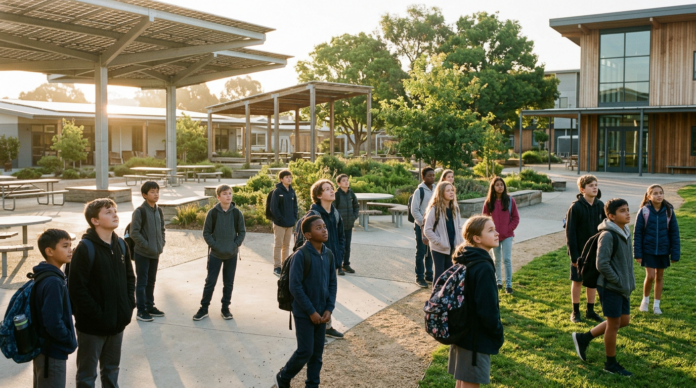
As delegates, ministers, and climate advocates assemble along the Mediterranean shores of Antalya for COP31, a profound moral and operational challenge dominates the negotiation corridors. Climate disruption is no longer an impending projection reserved for future generations; it is an immediate, daily crisis confronting the world’s youngest citizens right now. Groundbreaking assessments presented by UNICEF reveal that nearly every child on Earth is currently exposed to at least one severe environmental shock, while an astonishing 1.1 billion minors find themselves trapped at the intersection of three or more compounding hazards, including intense heatwaves, prolonged droughts, catastrophic flash floods, and destructive cyclones. This staggering convergence of multiple hazards is transforming childhood across continents, testing the limits of basic human endurance, and demanding an unprecedented rethink of how global environmental agreements are formulated.
Children are not merely diminutive adults experiencing warmer temperatures; their anatomical, metabolic, and psychological vulnerabilities render them singularly susceptible to shifting environmental parameters. Developing immune systems, higher baseline hydration needs relative to body weight, and an inability to regulate internal thermal balance make extreme heat an existential health hazard for infants and toddlers. When agricultural zones dry up under persistent heat domes, the resulting nutritional deficits permanently impede early cognitive growth and motor development. When monsoon rains burst containment barriers and inundate urban settlements, waterborne contagions proliferate, directly threatening pediatric survival in communities where healthcare infrastructure is already fragile. By measuring climate disruption through the prism of pediatric well-being, the crisis is exposed as a systemic emergency of fundamental human rights.
The compounding nature of these environmental shocks extends far beyond physiological vulnerability into the very social fabric that shelters young people. A child’s life relies upon an intricate network of essential public services, ranging from primary education and community clinics to clean municipal water distribution and social safety nets. When a devastating weather event sweeps through a region, schools are frequently transformed into emergency shelters or destroyed altogether, disrupting learning pathways and dramatically increasing the risk of permanent dropout. Similarly, when local health posts lose electrical power or municipal sanitation grids fail, primary healthcare access collapses. The destruction of this communal infrastructure can unravel decades of progress in child literacy, maternal health, and poverty reduction, locking vulnerable households into perpetual cycles of hardship.
Against this urgent backdrop, UNICEF’s delegation in Antalya is pressing negotiators and national governments to bridge the enduring disconnect between international climate diplomacy and child-centric reality. Historically, formal agreements under the United Nations Framework Convention on Climate Change have categorized young people primarily as passive observers or future stakeholders, offering rhetorical acknowledgments while neglecting to institutionalize their specific protections into binding policy mechanisms. In response, UNICEF is urging all member states to explicitly integrate children’s fundamental rights into every pillar of COP31 decisions, embedding binding provisions that treat child protection not as an optional act of charity, but as an essential legal obligation of climate action.
Foremost among the imperatives presented in Antalya is a radical overhaul of national adaptation strategies. Adaptation plans have long focused on macroeconomic metrics, heavy civil engineering works, and broad sector-level targets, often failing to consider the localized facilities where children spend their formative days. UNICEF is advocating for a child-responsive adaptation architecture that explicitly shields schools, pediatric health centers, child-care institutions, and clean drinking water networks against extreme weather threats. Retrofitting educational centers with passive cooling systems, reinforcing rural clinics with decentralized solar microgrids, and guaranteeing resilient water desalination and purification facilities must become immediate adaptation benchmarks rather than secondary infrastructure aspirations.
To guarantee that these strategic pledges result in tangible community transformations, UNICEF is insisting upon a rigorous evolution in global tracking and accountability mechanisms. For too long, aggregate national reporting has concealed the acute disparities experienced across demographic groups, masking the distinct burdens carried by the youngest and most marginalized populations. The international agency is calling for the systematic disaggregation of all climate adaptation and loss-and-damage data by age, gender, and disability status. By capturing clear, verifiable metrics regarding how extreme weather events and adaptation investments affect minors directly, multilateral institutions and local civil society can pinpoint hidden vulnerabilities, distribute resources with surgical precision, and hold policymakers accountable for every young life in their care.
Beyond physical safeguards and data collection, the Antalya negotiations present a critical opportunity to revolutionize climate education and public empowerment. Meaningful climate action cannot thrive without informed, capable communities capable of navigating ecological transitions. UNICEF is urging delegates to ensure that the newly negotiated frameworks under the Action for Climate Empowerment agenda explicitly recognize children as a distinct category with specific rights and pedagogical requirements, rather than merging them into broad youth coalitions. Every child deserves access to age-appropriate, scientifically accurate climate literacy that demystifies environmental change while cultivating green competencies, practical problem-solving skills, and ecological stewardship from an early age.
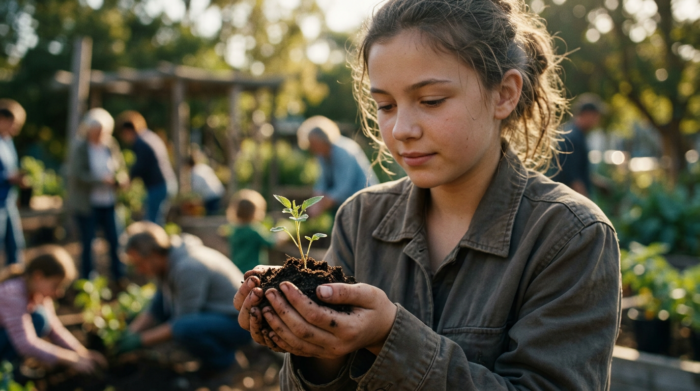
Equipping young people with environmental knowledge serves as the fundamental catalyst for genuine civic participation. Children and teenagers are displaying remarkable leadership worldwide, demanding meaningful inclusion in the decision-making halls where long-term planetary choices are finalized. UNICEF emphasizes that youth engagement must transcend tokenistic photo opportunities and symbolic youth councils. Instead, COP31 must establish formal, transparent channels through which young advocates can critique policy proposals, contribute grassroots observations, and directly dialogue with lead negotiators, ensuring that national climate commitments reflect the aspirations and urgent realities of the generation that will live through their outcomes.
The gendered dimensions of the ecological crisis require equally deliberate focus within the multilateral agenda. Across rural and urban landscapes alike, adolescent girls consistently bear an asymmetric share of climate fallout due to persistent social and economic inequalities. When prolonged droughts diminish household water supplies, girls are routinely pulled out of classrooms to embark on arduous, perilous daily journeys in search of potable water. In regions where extreme climate events decimate family livelihoods, rates of early and forced marriage often spike as families seek desperate coping mechanisms. UNICEF is calling for climate financing instruments and the UNFCCC Gender Action Plan to directly prioritize adolescent girls, guaranteeing them equal access to secondary education, reproductive health services, climate technology training, and local decision-making platforms.
A critical instrument capable of crystallizing these collective ambitions into lasting governmental action is the Declaration on Children, Youth and Climate Action. Originally drafted to bridge the gulf between international promises and national domestic agendas, this landmark declaration has already garnered official endorsements from more than seventy pioneering nations. In Antalya, UNICEF is appealing to all remaining governments to sign the declaration and integrate its core tenets into their updated Nationally Determined Contributions. By formally committing to child-sensitive, participatory, and rights-focused domestic governance, signatory nations establish an enforceable roadmap that turns high-level conference rhetoric into durable local policies, school safety upgrades, and dedicated national budgetary allocations.
While high-level political delegates debate policy language inside the plenary halls of Antalya, dynamic grassroots initiatives are demonstrating how young people are already transforming environmental awareness across their communities. In Italy, the national committee for UNICEF has unveiled a nationwide creative campaign titled A Shot for the Climate: Environment and Future Through My Eyes. Geared toward adolescents aged fourteen to nineteen, this compelling photographic initiative invites secondary students and emerging youth storytellers to use their cameras to chronicle how the shifting climate is reshaping their hometowns, while showcasing the equitable, restorative solutions they envision for the decades ahead.
Visual storytelling possesses a distinctive capacity to communicate the urgent emotional and tangible realities of environmental change, breaking through analytical jargon to connect with human empathy. The photographs and narratives submitted by Italian teenagers highlight both the vulnerabilities of their native landscapes—from drying alpine river basins and urban heat islands to coastal erosion—and the resilient spirit of civic initiative taking root across schools and neighborhoods. By providing a platform for young people to articulate their perspectives, the initiative elevates photography into a persuasive instrument of civic advocacy, proving that youth are not passive victims of climate degradation, but acute observers and inventive architects of community regeneration.
This spirit of active engagement will be showcased directly at COP31 during an official high-level side event on November 14 hosted within the Italian Pavilion. Organized cooperatively by UNICEF Italy, Fondazione CIMA, Hubzine Italia – Osservatorio Parigi, Save the Children Italy, and WeWorld, the panel—titled From Local Communities to COP31: Youth at the Core of Climate Action—is designed to construct an authentic dialogue between youth frontline advocates, academic researchers, and institutional leaders. By analyzing grassroots community case studies alongside diplomatic negotiations, the event illustrates how local resilience models developed by young innovators can inform international climate pacts and inspire responsive, inclusive public administration.
The profound message echoing from both the conference halls of Antalya and community workshops worldwide is that safeguarding children from ecological harm represents the smartest, most regenerative investment humanity can undertake. Research across development economics, public health, and urban ecology consistently demonstrates that when public systems are re-engineered to protect the most vulnerable child, the entire community benefits. Flood defenses that safeguard an elementary school protect surrounding residential neighborhoods; agricultural frameworks that guarantee child nutrition strengthen collective food sovereignty; and clean municipal water systems that reduce childhood cholera elevate the economic productivity of entire populations.
The ecological transition will not be measured merely by gigawatts of renewable energy brought online or carbon credits exchanged across digital registries. Its true benchmark will be the health, safety, and agency of the world’s children. If global leaders depart COP31 having secured industrial commitments while leaving essential pediatric services defenseless against accelerating climate extremes, the summit will have fallen short of its core purpose. Conversely, by embedding child rights systematically into adaptation strategies, guaranteeing gender-responsive social investments, and giving youth an authentic seat at the negotiation table, COP31 can mark the start of a resilient era where human well-being and ecological balance finally advance hand in hand.