






















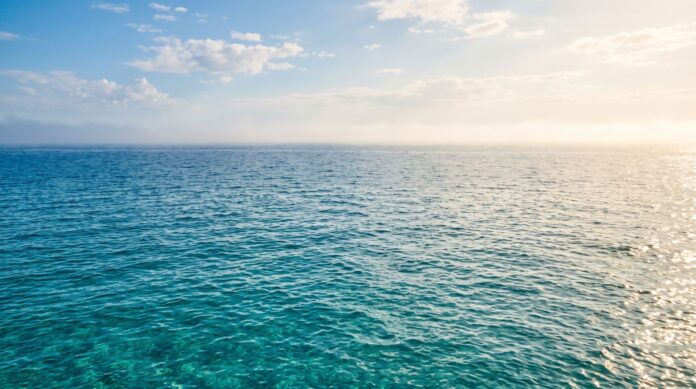
Across centuries, the Mediterranean Sea has served as the cradle of diverse civilizations, a bustling crossroads of commerce, and a delicate regulator of the regional climate. Beneath its shimmering turquoise surface lies an extraordinary, invisible biological and physical engine that tirelessly draws down vast quantities of carbon dioxide from our atmosphere. Yet, this natural marine reservoir is acutely attuned to the subtle choreographies of wind, temperature, and ocean currents. When the ambient dynamics shift even slightly, the marine system immediately responds, offering researchers an unprecedented window into the living pulse of our global waters.
A pioneering scientific investigation led by researchers at ENEA, the Italian National Agency for New Technologies, Energy and Sustainable Economic Development, has cast fresh light on this critical equilibrium. Published in a peer-reviewed oceanographic journal, the study reveals that the central Mediterranean experienced a remarkable thirty percent decline in carbon dioxide absorption during the initial months of 2023 compared to the corresponding period just twelve months earlier. This stark divergence emerged in tandem with an atypical meteorological pattern characterized by persistently weak surface winds and an intense marine heatwave that blanketed the basin.
To understand why this unexpected slowdown occurred, one must look closely at the mechanical boundary where the atmosphere kisses the sea. Carbon dioxide gas does not simply dissolve passively into water at an invariant rate; its passage across the surface interface depends on kinetic energy. When brisk winds sweep across open waters, they generate rolling waves, chop, and frothing whitecaps. This turbulent surface action increases the functional contact area between air and sea, actively driving gas molecules downward into the uppermost water column through sheer mechanical force.
When those energetic breezes dissipate and calm reigns over the horizon, the physical driver of gas transfer is abruptly muffled. In the early months of 2023, vast swaths of the central Mediterranean found themselves cradled by unusually sluggish atmospheric circulation. Without the churning kinetic push of seasonal winter gales, the physical exchange rate between the atmosphere and the sea dropped noticeably. The ocean surface effectively behaved as though its breathing had slowed to a gentle whisper, dramatically curbing its capacity to vacuum up ambient atmospheric emissions.
Atmospheric calm, however, represents only half of this ecological equation. The simultaneous presence of an unyielding marine heatwave added a formidable thermodynamic barrier to carbon capture. It is a fundamental law of ocean chemistry, rooted in the principles of gas solubility, that colder water possesses a substantially greater capacity to dissolve gases than warmer water. During a normal winter and early spring, chilled surface waters become exceptionally dense and heavy, readily accepting carbon dioxide before sinking to the depths in a process that sequesters carbon away from the atmosphere for decades or centuries.
In the anomalous warmth of early 2023, the sea surface maintained an elevated temperature profile that discouraged this crucial dissolution process. The warm surface layer acted as an insulating lid, preventing the cooler, denser deep waters from circulating upward and maintaining a state of strong thermal stratification. By resisting vertical mixing, the upper layer quickly became saturated with the dissolved carbon already present, unable to draw down fresh atmospheric reserves because the natural conveyor belt of the deep ocean had stalled under the weight of sustained thermal anomalies.
This double blow—languid winds failing to stir the surface while high temperatures reduced gas solubility—provides a vital diagnostic blueprint for climatologists. The study also draws attention to the fact that during extraordinarily acute heatwaves, such as the blistering episodes that swept the region in subsequent summers, marine waters can warm to such an extent that the gradient reverses entirely. When surface water reaches peak temperatures, it can transition from an absorbing sponge into a net emitter, releasing dissolved carbon back into the atmospheric column above.
Far from being cause for despair, uncovering these delicate feedback loops provides the international scientific community with the precise mathematical knowledge needed to refine predictive climate modeling. Historically, global carbon budget calculations frequently relied on simplified, generalized assumptions regarding how uniform ocean basins absorb excess carbon. By identifying how microscale wind behaviors and short-term thermal shocks influence seasonal uptake, ENEA’s team has supplied critical data that transforms theoretical estimates into high-resolution reality.
The central Mediterranean functions essentially as a miniature, hyper-responsive ocean laboratory. Because it is an enclosed basin with distinct deep-water formation sites, intricate coastal margins, and intense human interaction, physical and ecological transitions unfold here at an accelerated tempo compared to the vast open oceans. Insights garnered from this Mediterranean observatory serve as an early warning diagnostic and a field manual for the rest of the planet, revealing precisely how broader ocean systems may behave under changing thermodynamic conditions.
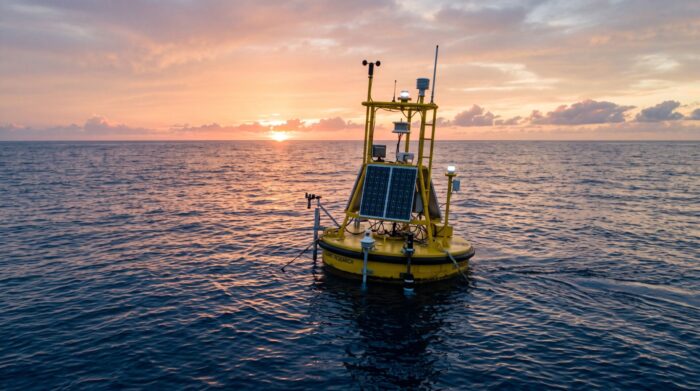
The meticulous measurements that underpinned this research highlight the extraordinary power of contemporary environmental monitoring networks. Drawing upon a comprehensive suite of biogeochemical sensors, oceanographic moorings, satellite observation constellations, and deep-sea drifting probes, researchers can now track chemical shifts within the sea in near real time. These technological triumphs demystify the deep, turning unseen chemical transfers into measurable, actionable intelligence that guides conservationists and policymakers alike.
Furthermore, recognizing the susceptibility of physical carbon pumps underscores the vital necessity of bolstering the sea’s living biological engines. Beyond the purely physical absorption driven by winds and solubility, marine life plays a profound role in carbon sequestration. Microscopic phytoplankton, dancing in sunlit surface waters, continuously transform dissolved carbon dioxide into organic matter through photosynthesis. When these organisms flourish, they form the foundation of a robust marine food web and eventually carry carbon down into the ocean sediment upon completing their life cycles.
Coastal ecosystems represent another indispensable bulwark against ecological instability. Expansive meadows of Posidonia oceanica, the endemic seagrass often referred to as the lungs of the Mediterranean, together with coastal salt marshes and mangrove environments, are champions of long-term carbon storage. These living blue carbon habitats can sequester carbon at rates far exceeding those of terrestrial tropical forests, while anchoring seabed sediment and sheltering an astonishing wealth of marine biodiversity.
When warming seas and calm winds stifle the physical absorption of carbon, protecting and regenerating these biological sanctuaries becomes more paramount than ever. Healthy, intact coastal biomes act as dynamic shock absorbers, buffering coastlines against storm surges, purifying water, and sustaining localized biological productivity even during periods of climatic stress. Initiatives currently multiplying across the Mediterranean to reseed degraded Posidonia beds and establish expansive marine protected areas represent powerful, proactive solutions rooted in nature’s own wisdom.
The revelation that climate dynamics can intermittently dampen the ocean’s absorption capacity also reinforces the urgency of tackling the challenge at its atmospheric source. The ocean has long absorbed roughly a quarter of all anthropogenic carbon emissions, performing an invaluable ecosystem service that has shielded humanity from the full brunt of thermal disruption. Relying on the ocean to indefinitely absorb our surplus emissions without experiencing strain is neither realistic nor ecologically sound.
Fortunately, the Mediterranean basin is uniquely poised to lead a clean energy and ecological renaissance. With its abundant solar irradiance and vast opportunities for sustainably engineered offshore wind installations, the region possesses the natural resources required to drive rapid decarbonization. Harnessing renewable power not only slashes greenhouse gas discharges into the air, but it also creates resilient circular economies that alleviate industrial pressure on delicate coastal ecosystems.
In parallel, the promotion of sustainable maritime transport, electrified harbor infrastructure, and responsible regenerative aquaculture is gaining remarkable momentum from Gibraltar to the Levant. By curbing localized pollution, preventing nutrient runoff, and ending destructive trawling practices, communities bordering the Mediterranean are actively lifting the cumulative stress burdens that hinder the sea’s natural self-regulating capacities.
Every advance in marine science offers humanity a sharper compass for the journey toward ecological harmony. The discovery made by ENEA’s oceanographers does not merely record a momentary drop in carbon uptake; it illuminates the exquisite sensitivity of our planet’s life-support systems and demonstrates that no element of nature operates in a vacuum. Wind, water, temperature, and life are locked in a perpetual, harmonized dance that sustains the habitability of our shared home.
Armed with this clarity, governments, local communities, and environmental innovators have an unmatched opportunity to collaborate. By integrating high-resolution oceanographic data into international climate policies and investing heavily in marine conservation and habitat restoration, we can fortify the resilience of our seas. The Mediterranean has weathered millennia of environmental transitions; supported by sound science, forward-thinking policy, and steadfast stewardship, this magnificent sea will continue to sustain life and balance our world for generations to come.
Fonte: ENEA