



























While European bureaucracy sets the deadlines, it is in the research labs that practical solutions are found. 2026 opens with three technological trends that promise to transform the concept of “sustainability” from a cost into a competitive opportunity for businesses.
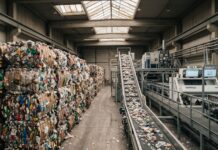
1. AI and Computer Vision in Recycling Centers
One of the biggest obstacles to the new Packaging and Packaging Waste Regulation (PPWR) is material separation.
- The Technology: Advanced computer vision systems are now capable of recognizing and separating polymers that look identical but are chemically different at a speed of 3 meters per second.
- The Impact: This allows for high-quality recycled plastic, ready for reuse in food packaging, meeting the new EU mandates for 30% recycled content.
2. Beyond Lithium: Sodium-Ion (Salt) Batteries
2026 marks the large-scale commercial debut of sodium-ion batteries for home storage and urban mobility.
- Why it’s a Breakthrough: Sodium is everywhere (sea salt), costs a fraction of lithium, and does not require ethically problematic mining.
- Application: These batteries are less prone to overheating and perform better at low temperatures, making them ideal for energy infrastructure in Northern Europe and mountainous areas.
3. “Digital Twins” for Energy Efficiency
With energy costs remaining unstable, companies are increasingly adopting Digital Twins.
- How it Works: An exact virtual copy of a factory or building is created. AI simulates thousands of scenarios to find the best way to consume less energy and water.
- Real Data: Companies that implemented Digital Twins have recorded an average reduction in CO2 emissions of 15-20% without changing physical machinery, but simply by optimizing its use.
Subscribe to our newsletter