




















Every autumn, Mediterranean Coast Day serves as an essential moment of reflection and collective mobilization across three continents, celebrating one of the most culturally profound, biologically diverse, and ecologically vulnerable maritime basins on the planet. Formalized under the auspices of the United Nations Environment Programme’s Mediterranean Action Plan (UNEP/MAP) and anchored in the historic Barcelona Convention, this observance is far more than a symbolic date on the international environmental calendar. It represents an enduring commitment to regional dialogue, scientific collaboration, and cross-border governance aimed at preserving more than forty-six thousand kilometers of coastline shared by over twenty nations. In an era marked by converging ecological crises, the occasion challenges policymakers, coastal communities, and industries to confront the legacy of unrestrained shoreward expansion and chart a transformative path grounded in ecological resilience, integrated coastal zone management, and circular sustainability.
The Mediterranean basin occupies less than one percent of the world’s ocean surface, yet it harbors an astounding ten percent of all known marine species, alongside extraordinary terrestrial endemism along its coastal borders. This remarkable wealth of life, from intricate coral assemblages and salt marshes to the emblematic marine meadows of Posidonia oceanica, functions as a delicate living tapestry that stabilizes shorelines, purifies coastal waters, and sequesters vast stores of carbon. However, this ecological jewel is also recognized as one of the most prominent climate change hotspots on Earth, warming at a rate roughly twenty percent faster than the global average. The impacts are no longer distant projections; they are immediate realities manifesting as intense marine heatwaves, accelerated coastal erosion, saltwater intrusion into vital agricultural aquifers, and violent hydrometeorological events that batter coastal infrastructures and natural habitats alike.
Beyond climate disruptions, the ecological integrity of the Mediterranean coast faces relentless pressure from anthropogenic activities that have gathered momentum over decades. The rapid pace of coastal artificialization, often termed the concrete sprawling of the shoreline, has fragmented delicate ecosystems and obliterated natural buffers that historically cushioned coastal settlements against oceanic surges. Heavy urbanization along the coast, combined with the presence of major commercial transport hubs and industrial maritime infrastructure, has steadily degraded coastal transition zones. Furthermore, the region welcomes hundreds of millions of international tourists each year, with summer populations ballooning to levels that overwhelm local freshwater supplies, overburden municipal waste management systems, and accelerate habitat destruction. This seasonal human influx underscores the acute imbalance between short-term economic gains and long-term socio-ecological stability.
Pollution compounds these structural vulnerabilities, transforming portions of this semi-enclosed sea into an alarming catchment basin for land-based contaminants and plastic waste. Due to restricted water exchanges with the Atlantic Ocean and the Black Sea, which take over a century to naturally cycle, pollutants introduced into the Mediterranean remain trapped for prolonged periods. Discarded packaging, microplastics, agricultural runoff, and untreated wastewater severely compromise marine food webs, impairing biodiversity and threatening public health. Mediterranean Coast Day directly addresses these systemic faults by invoking the pioneering legal architecture of the Barcelona Convention and its landmark Protocol on Integrated Coastal Zone Management (ICZM), which entered into force as the world’s first legally binding regional instrument dedicated specifically to coastal stewardship and spatial planning.
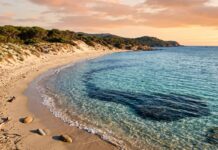
The ICZM Protocol represents a paradigm shift in environmental diplomacy by establishing clear, enforceable rules to govern the interface between land and sea. Central to its framework is the establishment of a coastal setback zone, typically extending a minimum of one hundred meters landward from the highest winter waterline, where permanent construction is strictly restricted. This critical buffer area is designed to protect natural coastal processes, preserve scenic landscapes, ensure public access, and prevent private investments from building in high-risk zones vulnerable to sea-level rise and severe storm surges. Mediterranean Coast Day actively champions this spatial discipline, emphasizing that sustainable coastal governance is not merely about conservation in isolation, but about restructuring how human societies interact with dynamic physical shorelines.
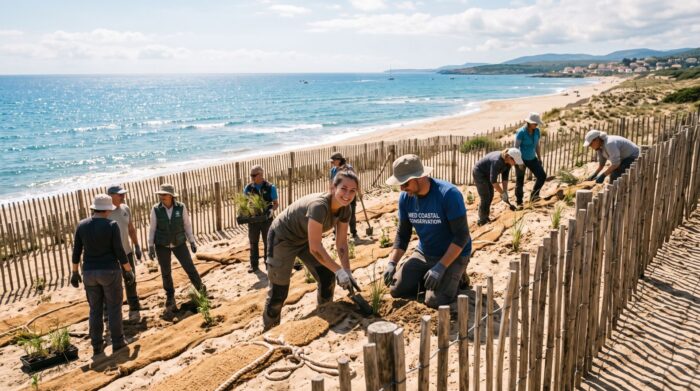
To safeguard the future of Mediterranean communities, contemporary coastal planning is increasingly turning away from rigid, hard-engineering interventions, such as concrete seawalls, groynes, and breakwaters, which often exacerbate erosion further down the coast and disrupt natural sediment transport. Instead, forward-looking authorities and researchers are prioritizing nature-based solutions that work in synchrony with marine and terrestrial dynamics. Restoring coastal sand dunes, protecting maritime wetlands, and rehabilitating native vegetation provide natural shock absorbers that dissipate wave energy far more efficiently and affordably than static concrete barriers. Moreover, these living defenses possess an innate capacity to self-repair and adapt incrementally to changing hydrological regimes, delivering multifaceted ecosystem benefits while enhancing coastal beauty and biological richness.
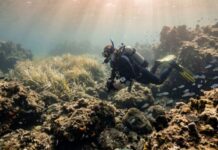
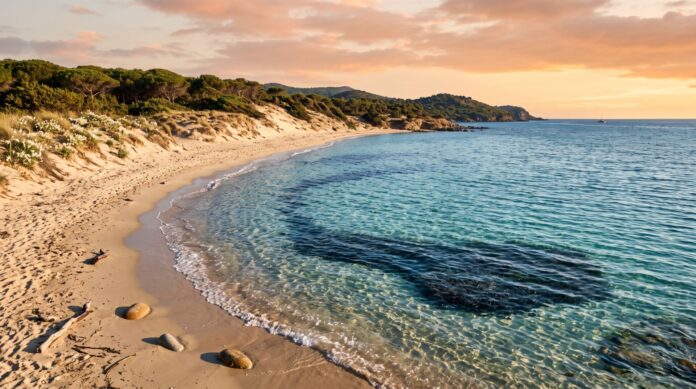
Foremost among these natural allies is Posidonia oceanica, an endemic marine phanerogam whose extensive subaquatic meadows serve as both the lungs and the protective armor of the Mediterranean. Often referred to as the foundation of coastal health, Posidonia stabilizes the seafloor, dampens wave energy before it strikes the beach, and traps significant amounts of organic carbon within its dense root mats, known as matte, locking it away for centuries. Furthermore, the dead leaves of Posidonia that wash ashore form thick protective banks, or banquettes, which shield sandy beaches from severe winter erosion. Part of the awareness championed during Mediterranean Coast Day involves educating local populations and tourism operators to stop treating these vital natural deposits as coastal trash to be removed, recognizing them instead as irreplaceable structural shields against the rising tides.
Achieving durable coastal resilience fundamentally requires a profound restructuring of the coastal economy, moving decisively away from linear, extractive paradigms toward an integrated, regenerative blue economy. In this context, circular economy principles provide practical pathways for reconciling human livelihoods with marine health. Port facilities across the basin are beginning to embrace circular retrofits, outfitting docks with cold-ironing shore power systems to eliminate emissions from berthed vessels, establishing sophisticated circular waste-reception facilities, and deploying advanced circular dredge-sediment management techniques that repurpose clean sediment for shoreline replenishment rather than dumping it offshore.
Circular initiatives are equally transforming traditional coastal industries such as fisheries and aquaculture, which represent vital socio-economic pillars for countless communities from Greece and Italy to Tunisia and Morocco. By incentivizing fishers to retrieve lost fishing gear and marine litter through structured ‘fishing-for-litter’ frameworks, ports are converting discarded plastic and ghost nets into valuable raw materials for local manufacturing, from textiles to construction aggregates. Simultaneously, sustainable aquaculture practices are shifting toward integrated multi-trophic aquaculture (IMTA), where by-products from one aquatic species serve as inputs for another, mimicking natural circular metabolic loops and drastically reducing the environmental footprint of marine food production.
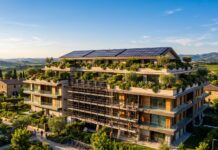
The transformation of the tourism sector remains arguably the most pressing and complex challenge facing the Mediterranean littoral. Coastal mass tourism has historically been modeled on high volume, intensive resource consumption, and rapid capital turnover, creating significant ecological deficits. Mediterranean Coast Day serves as an influential platform to advocate for circular tourism models that prioritize off-peak exploration, heritage-based cultural tourism, and stringent resource efficiency. Coastal municipalities are increasingly implementing closed-loop water recycling systems, eliminating single-use plastics from beachfront concessions, and integrating renewable energy microgrids powered by solar and offshore marine resources to decarbonize seasonal coastal infrastructure.
Equally central to the ethos of the observance is the imperative of social equity and cross-border solidarity. The Mediterranean unites nations with diverse socioeconomic contexts, fiscal capabilities, and governance structures, spanning both European and North African shores. Marine ecosystems and migratory species recognize no geopolitical boundaries; a plume of industrial pollution or a raft of marine debris generated along one coastline inevitably drifts across territorial waters into another. Through institutions such as the Priority Actions Programme/Regional Activity Centre (PAP/RAC), Mediterranean Coast Day facilitates vital capacity-building, technical data sharing, and policy alignment between northern and southern nations, ensuring that coastal resilience becomes a shared, basin-wide achievement rather than an exclusive privilege of affluent economies.
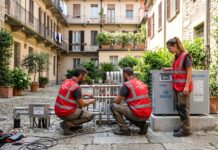
Community empowerment and citizen science play an indispensable role in translating abstract international treaties into tangible local conservation outcomes. Successful coastal management relies heavily on the active participation of residents, artisanal fishers, youth groups, and local environmental associations who possess intergenerational knowledge of local sea conditions. Educational initiatives launched on Mediterranean Coast Day encourage citizen monitoring of shoreline changes, beach cleanliness assessments, and the recording of invasive alien species that are migrating through the Suez Canal due to warming waters. By engaging citizens directly in data collection and coastal monitoring, authorities foster an enduring culture of marine stewardship that holds municipal decision-makers accountable to ecological benchmarks.
Looking toward the horizon, the governance of our coastlines will increasingly hinge on our capacity to integrate digital innovations with ecological foresight. Advanced satellite imagery, environmental DNA analysis, and predictive coastal modeling provide unprecedented insights into real-time coastal vulnerability, allowing regional planners to deploy proactive conservation measures before degradation becomes irreversible. Digital twins of the Mediterranean marine basin are currently being developed to simulate the impacts of sea-level rise and storm events under various climate scenarios, enabling local planners to stress-test their zoning regulations and prioritize investments in nature-based infrastructure with mathematical precision.
Mediterranean Coast Day reminds us that our coastlines are not rigid, static edges to be conquered and enclosed in concrete, but dynamic, evolving ecological ecotones where land and sea engage in continuous dialogue. Protecting these environments demands vision, international unity, and an unwavering commitment to sustainable living. By honoring the commitments inscribed in the Barcelona Convention, embracing circular economic principles, and letting natural ecosystems guide our engineering choices, we can ensure that the ancient, vibrant shores of the Mediterranean continue to provide sustenance, beauty, and security for the generations yet to come.