




















WWF Italy today launched its first analysis of the strategies and performance reported by Italy’s leading steel companies, entitled “GREEN STEEL: WHERE ARE WE IN ITALY? Analysis of the strategies and performance reported by the leading companies in the sector.” A study of the ESG reports of the top twelve companies in terms of secondary steel production volumes shows that 58% have not set clear and monitorable decarbonization targets, only 6 out of 12 have photovoltaic systems for self-production of energy (almost always below their potential), only 4 out of 12 are testing low-emission fuels such as biomethane, and only 1 out of 12 has an internal policy for the protection of biodiversity.
“Beyond the geopolitical contingency and the situation of overproduction that characterizes the global steel industry, these data show that Italy needs a long-term vision, targeted investments, and a more integrated and traceable supply chain,” commented Mariagrazia Midulla, Head of Climate and Energy at WWF Italy. The analysis examines the sustainability reports published in 2024 (for the 2023 fiscal year) by the leading Italian companies in the sector, with the aim of understanding whether, and to what extent, the sector is really moving towards a more sustainable production model. The terms of comparison are those of the report “The steel sector in Italy: critical issues and opportunities” (WWF, July 2024) and, in particular, the ideal decarbonization scenarios outlined therein.
The term “green steel” does not yet have a single definition at international level, but in this case we refer to steel produced by melting scrap iron in an electric furnace, which emits around 80% less CO2 than steel produced by melting iron ore and coal in blast furnaces. The latter type of production currently accounts for 16% of total production in Italy, takes place only in Taranto, and was not the subject of this research.
Despite the differences between the companies analyzed, certain recurring elements emerge in the five thematic areas investigated:
- Energy efficiency and decarbonization: Companies seem to have understood the importance of energy efficiency, but greater efforts are needed to revamp electric furnaces, which are the main source of direct emissions (Scope 1). Four out of 12 companies are introducing small amounts of low-carbon fossil fuels, such as hydrogen or biomethane. However, these fuels must be obtained in a sustainable manner, avoiding the use of gray or blue hydrogen and ensuring that biomethane is derived from waste biomass and not from dedicated crops. The reduction of indirect emissions (Scope 2) is generally promoted through the purchase of Guarantees of Origin or PPAs (Power Purchase Agreements), while greater efforts should be devoted to the installation of renewable energy production plants, both near production sites and in other locations. This is only the case for 6 out of 12 companies in the sample.
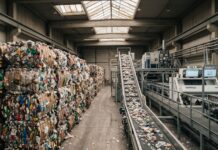
- Circular economy, water resources, and biodiversity: companies use a very high proportion of secondary raw materials from recycling processes. This is an intrinsic feature of electric arc furnace technology. However, lower-quality scrap often has to be combined with virgin material to improve the quality of the steel, reducing the proportion of recycled raw materials. Joint efforts must therefore be stepped up to obtain high-quality scrap, and green hydrogen-reduced iron (DRI) must gradually replace the cast iron introduced into the furnaces. Companies state that water use is generally monitored and optimized, also in relation to the level of water stress in the surrounding area. However, insufficient attention is paid to biodiversity conservation (only 1 in 12 companies has a dedicated policy), and more projects should be promoted to protect the natural environment (in 2023, only 5 out of 12 companies were carrying out such projects).
- Company organization, working groups, and supply chains: most companies have organized themselves internally to address the issue of sustainability through a management board, which, however, often does not include all the necessary decision-making levels. Inter-company working groups have been set up to jointly study certain sustainability issues, but green hydrogen does not seem to be one of the focuses of discussion. Intermodal logistics is often promoted by companies, but they should devote more effort to increasing the share of goods transported by rail in order to improve both the lives of people living near the plant and air quality and climate-changing emissions.
- Environmental certifications obtained: most companies have standardized their environmental and energy management systems (ISO 14001 and ISO 50001), while only a few declare the impact of their products through the use of Type III environmental labels (ISO 14025). Some use the ISO 14021 standard to self-declare, without certification from accredited bodies, the recycled material content of their products, which should instead be certified through other standards, such as ISO 22095:2020, which deals with chains of custody.
- Company policies and projects: most companies have defined a short- and long-term decarbonization plan, but only 4 out of 12 have defined clear and measurable targets for their progress. Several projects dedicated to innovative technologies are underway, but the planned efforts still appear insufficient.
“The transition to a low-carbon steel industry is now within reach. However, seizing the opportunity offered by technological innovations requires commitment and organization on the part of companies, effective collaboration between the public and private sectors, and a stable and incentivizing regulatory framework,” explains Andrea Mio, professor at the Giacomo Ciamician Interdepartmental Center for Energy, Environment, and Transportation at the University of Trieste, who oversaw the analysis.
“Companies that are able to combine innovation, sustainability, and operational efficiency will play a leading role in the new global industrial landscape. As WWF Italy, we want to do our part by providing incentives to the private sector and policy proposals to the public sector, which is responsible for governing the transition underway, balancing all the interests at stake, starting with those of workers, communities, and ecosystems, thanks to which and within which steel companies operate,” concludes Midulla.