
























The construction sector in 2026 is undergoing a metamorphosis that goes far beyond the simple adoption of surface-level ecological practices, marking the definitive transition toward an integrated circular economy that redefines the very concept of a building. Historically, construction has been one of the human activities with the greatest environmental impact, responsible for a huge share of global virgin raw material consumption and solid waste generation. However, the climate emergency and resource scarcity have pushed architects, engineers, and legislators to collaborate to create a new paradigm in which the life cycle of a structure does not end with its demolition but is continuously regenerated into new forms and functions. This evolution is not just about the choice of materials but involves the entire value chain, from digital design that already plans for future disassembly to optimized site logistics to minimize waste.
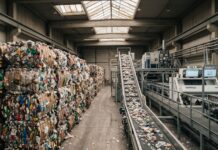
At the heart of this revolution is the concept of the “urban mine,” the ability to look at our cities not as static clusters but as enormous deposits of materials already extracted and ready to be reused. In 2026, the technologies for separating and treating construction and demolition debris have reached levels of precision that allow for the recovery of very pure fractions of aggregates, metals, and timber. These materials, once considered low-value waste, are now transformed into secondary raw materials that are equal to natural ones in terms of mechanical characteristics and durability. For example, recycled concrete is no longer destined only for road sub-bases but is used for high-performance structural elements, thanks to accelerated carbonation processes that improve its compactness while simultaneously sequestering carbon dioxide from the atmosphere.
Technological innovation plays a crucial role in this scenario, with the introduction of “bio-based” materials and advanced composites that integrate waste from agriculture and the food industry. Insulating panels made from hemp fibers, straw, or fungal mycelium are replacing petroleum-derived polymers, offering superior thermal performance and natural breathability that drastically improves the health of those living in the buildings. These materials are not only sustainable in their production but are also completely biodegradable or easily recyclable at the end of their use, perfectly closing the biological economy loop. At the same time, the use of engineered wood from responsibly managed forests is spreading even for the construction of skyscrapers, demonstrating that it is possible to drastically reduce the embodied energy of buildings without sacrificing safety and aesthetics.

Another fundamental pillar of contemporary circular construction is digitalization through Building Information Modeling (BIM) and the adoption of digital material passports. Every component of a new building is now cataloged in a digital database that describes its chemical composition, origin, maintenance methods, and, above all, instructions for its future recovery. This approach transforms properties into Material Banks, where the value of the investment is guaranteed not only by the real estate income but also by the intrinsic value of the materials that compose it, ready to be resold and reused in case of renovation or dismantling. This information transparency reduces risks for investors and facilitates access to green financing, as the project’s sustainability is documented and measurable throughout its entire timeline.
International regulations, particularly European ones, have provided the decisive momentum by introducing increasingly rigorous environmental criteria for public and private procurement. The obligation to include minimum quotas of recycled material in every new project has created a solid and predictable market for secondary raw materials, incentivizing companies to invest in innovative treatment plants. This has generated a virtuous cycle of industrial symbiosis, where the waste of one industry becomes the nourishment for another: for example, steel slag is used as aggregates for draining asphalts, while non-traditionally recyclable plastic waste is transformed into components for urban furniture or lightweight structures.
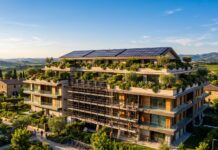
The impact of this transition is also felt in terms of health and social well-being. Buildings constructed according to the principles of circularity tend to use fewer toxic chemicals and ensure better indoor air quality, reducing the incidence of pathologies related to the so-called “sick building syndrome.” Furthermore, the redevelopment of the existing building stock through circular economy interventions allows for the regeneration of degraded neighborhoods without consuming new land, preserving biodiversity and the agricultural areas adjacent to cities. This development model, which prioritizes reuse and regeneration over indiscriminate new construction, is the key to addressing global urban population growth in a fair and sustainable way.
Looking to the near future, the main challenge remains cultural and educational. It is necessary for the entire supply chain, from designers to site workers, to acquire the skills necessary to manage the complexity of new circular processes. Designing for disassembly requires a different mindset than the traditional one, just as managing the logistics of a site that must carefully separate each material flow requires organization and precision. However, the economic and environmental benefits are so evident that the process now appears irreversible. Circular construction in 2026 represents not only a solution to present problems but is the only viable path to guarantee future generations a built environment that is in harmony with the biophysical limits of the Earth, transforming the construction sector from the main culprit of resource depletion to the driving force of planetary regeneration.